Charging your lithium battery pack correctly is not just about ensuring its longevity but also about safety. With the rise in the use of lithium batteries in various applications, understanding the right way to charge them has become paramount. Here’s a comprehensive guide on how to do it right.
The Basics of Charging Lithium Batteries
Lithium-ion batteries, unlike other types, operate on a chemical reaction. However, they are influenced by various factors such as over-voltage, undervoltage, overcharge, discharge current, and thermal runaway. One crucial factor is cell imbalance, which can decrease battery capacity rapidly over time.
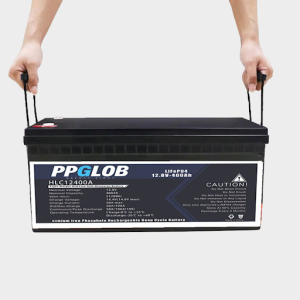
You can charge your lithium iron phosphate batteries (often referred to as LiFePO4 batteries) whenever you wish, similar to your cellphone. They don’t suffer from the memory effect, so there’s no need to drain them completely before charging. There are primarily two methods for charging these batteries:
- Using a battery charger (powered by mains power)
- Using a solar panel (DC power)
The most recommended way to charge a LiFePO4 battery is with a specific lithium iron phosphate battery charger. This is because it will be programmed with the correct voltage limits. However, most lead-acid battery chargers can also do the job, but with some caveats.
Battery Management System (BMS): The Brain of Your Battery
A BMS is an essential component of a lithium battery pack. It acts as the brain, monitoring the output and protecting the battery from potential damages. This includes monitoring temperature, voltage, and current. One of its key functions is cell balancing, ensuring that all cells in a battery pack are charged uniformly.
Solar Charging and the Role of BMS
Solar panels can also be used to charge LiFePO4 batteries. However, it’s essential to choose the right controller for this purpose. If you don’t have a controller, you can directly connect the battery to the solar panel. The BMS inside will generally protect the battery. But, if there’s a defect in the BMS, the battery might get damaged.
Charging in Cold Conditions
Lithium batteries rely on chemical reactions, which can be affected by cold temperatures. It’s crucial not to charge them when the temperature falls below freezing (0°C or 32°F) without reducing the charge current. Charging at high rates in cold temperatures can cause lithium metal plating on the anode, leading to potential battery failure.
Charging from a Vehicle Alternator
Yes, you can recharge your lithium battery from a vehicle alternator, but it might not necessarily charge to its full capacity. Using a DC to DC charger is recommended as it can safely charge the battery and prevent alternator damage.
In Conclusion
Properly charging your lithium battery pack ensures its longevity and safe operation. Whether you’re using a dedicated charger, solar panel, or vehicle alternator, understanding the nuances of charging is crucial. And always remember, a good BMS is your battery’s best friend.
Further Reading:
- Learn more about Lithium polymer battery and its applications.
- Dive deep into the world of 18650 battery packs.
- Discover the benefits of Lifepo4 battery packs.
- Explore the versatility of Portable power stations.
- Understand the intricacies of OEM battery design and manufacturing at PPGlob.
This article is brought to you by PPGlob, a leading brand in battery pack design and manufacturing.