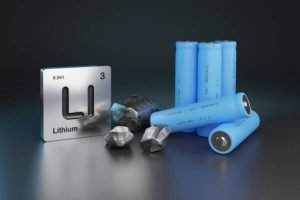
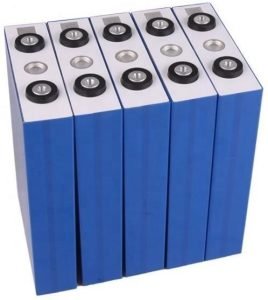
LiFePO4 and lithium-ion batteries are the two most common rechargeable types suitable for portable power stations and solar generators. Lithium-ion batteries are ideal for off-grid solar power systems, and LiFePO4 batteries are the recent type gaining popularity.
While these two options are excellent and work well in several applications, their unique differences can influence their performance in certain settings. Therefore, it is essential to understand both technologies for your best interest. Are you an end-user, seeking the best battery type for your personal or office needs? If so, read on. In this post, we’ll walk you through the differences between LiFePo4 and Lithium-ion batteries. We’ll also consider the applications, suitability, advantages, and disadvantages of both batteries. At the end of this reading, you can make the best choice for your needs.

Understanding Battery Types
LiFePO4 vs. Lithium-ion Batteries: Overview
LiFePO4 (Lithium Iron Phosphate or LFP) batteries are the latest developments rapidly advancing the battery industry. Their recent choice for off-grid, Electric Vehicles (EVs), etc., surpasses the need for lithium-ion (Li-ion) batteries. However, both battery types are similar but have advantages that make them suitable individually for consumer-grade backup power systems.
The comparison between Lithium-ion vs. LiFePO4 is that the latter has a longer life cycle (4-5X longer) and safety than the former. Also, Li-ion batteries can overheat and eventually catch fire, while LFP does not. Read on to learn more about these differences.
Li-ion vs. LFP Batteries: Definition and Composition
What is the Definition and Composition of LiFePO4 (LFP) Battery?
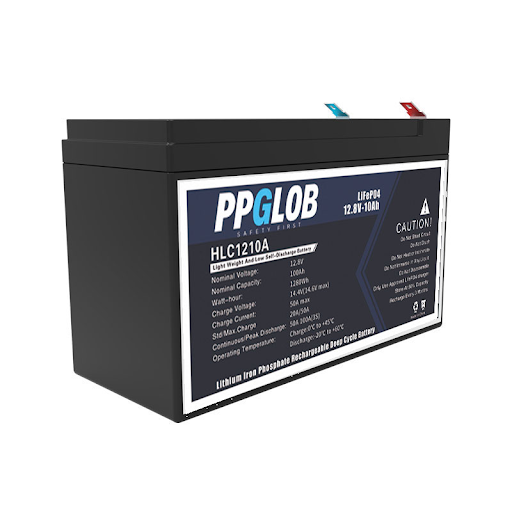
Lithium Iron Phosphate (LFP) battery is a type of lithium-ion battery made with a lithium-iron-phosphate cathode. It stands out for its added safety features, extended life span, and high energy density. In comparison to other battery types, such as lithium manganese oxide (LMO) batteries and lead-acid batteries, LFP batteries are 50% to 70% lighter.
LiFePO4 batteries are composed of lithium iron phosphate as the cathode material, a graphite carbon electrode, and a metallic backing as the anode. Their phosphate composition is non-toxic compared to manganese oxide or cobalt oxide, and LiFePO4 batteries are built to deliver constant voltage at a higher charge cycle.
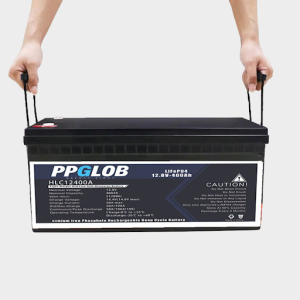
Similarly, a PPGlob home energy storage battery delivers 6000+ cycles of lifespan, backed with a protective board from short circuits to prevent over-charging and over-discharging. It is convenient, small, and compact for specific needs.
What is the Definition and Composition of a Lithium-ion Battery?
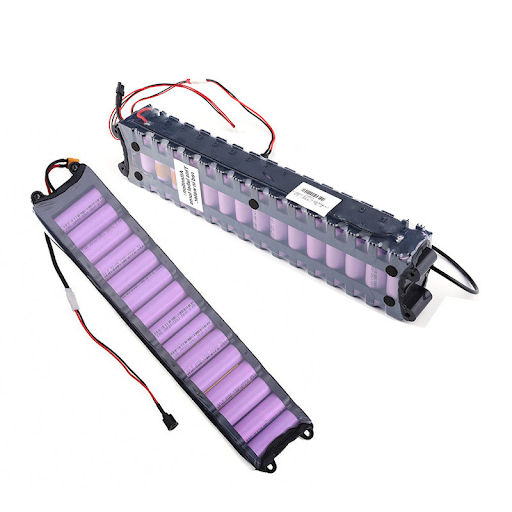
Lithium-ion (Li-ion) batteries are principally the commercial form of rechargeable battery applicable in electrified transportation and portable devices like phones, laptops, etc. They use the reversible intercalation of Li+ ion to electronically conduct solids for energy storage.
Li-ion batteries are composed of single or multiple lithium-ion cells alongside a protective circuit board. The main components of lithium-ion batteries are;
- Electrodes: The positively (cathode) and negatively (anode) charged ends of the cell, attached to the current collectors.
- Electrolyte: The gel or liquid substance that conducts electricity.
- Current collectors: Conductive foil that is placed at each electrode of the battery and connected to the terminals of the cell. The terminals transfer the electric current between the battery, the electronic device, and the energy source that powers the Li-ion battery.
Key Differences Between LiFePO4 and Lithium-ion Batteries
We’ve already established that lithium-ion and LiFePO4 batteries are similar; however, unique features set them apart. In this section, we will make an in-depth analysis of the distinctiveness of the two rechargeable batteries.
1. Energy Density
The energy density of a battery equates to the amount of energy it can conserve in a given volume or weight. Lithium-ion batteries have denser energy than LiFePO4 batteries, which implies that they can store more power per weight or volume unit than LiFePO4 batteries. However, LFP batteries are safer, longer-lasting, and highly applicable in specific situations where safety and extended lifespan are crucial.
2. Safety
LiFePO4 batteries are considered safer than Li-ion batteries because of the covalent bonds within the cathode’s phosphorus, iron, and oxygen atoms. These bonds account for their stability, making them less prone to thermal runaway and overheating. On the other hand, if not properly handled, lithium-ion batteries are known to overheat and have a higher risk of combustion.
For instance, comparing the safety of the Nickel Manganese Cobalt (NMC) battery (a type of Li-ion battery) and the LiFePO4 battery, NMC is less safe, especially under abnormal high temperatures, and may lead to an explosion if mishandled. Therefore, LFP batteries are more suitable in applications where safety is paramount, like electric vehicles, industrial equipment, and solar power systems.
3. Lifespan and Durability
Generally speaking, a LiFePO4 battery can last for several thousand (2000 to 6000) cycles before its performance begins to decline, while a Li-ion battery can go through 500 charge and discharge cycles before declining in performance. In other words, an LFP battery can last up to 10 years if well-maintained, and a Li-ion battery can last between 2 and 3 years.
The chemical makeup and materials used in constructing both battery types account for their differences in lifespan and durability. In addition, the much longer lifespan of lithium iron phosphate batteries makes them more environmentally friendly.
4. Weight and Size
The energy density of a battery is inversely proportional to its weight. Comparing the difference between LiFePO4 and Lithium-ion batteries in terms of weight, the former is considered heavier because of its lower energy density.
Also, the weight of a battery will impact its size and capacity. Therefore, if you’re considering a lightweight option, a Li-ion battery is the best option. However, for safety and a longer lifespan, an LFP battery is the one to choose, not minding its heavier weight and size.
5. Cost
Comparing the chemical compositions of both battery types, lithium iron phosphate batteries consist of iron and phosphate, which are cheaper than cobalt or nickel. Lithium-ion batteries use cobalt as their electrode material, which is more expensive. Therefore, LiFePO4 batteries are cheaper than Li-ion batteries.
LiFePO4 vs. Lithium-ion Batteries: Applications and Suitability
Having discussed the differences between LiFePO4 and lithium-ion batteries, let’s now outline their applications and suitability for various purposes and needs concerning both battery types.
1. Consumer Electronics
Lithium-ion batteries’ higher energy density makes them more suitable for applications that have compact sizes and are lightweight, such as home devices like laptops, smartphones, tablets, and other consumer electronics.
For instance, a digital camera needs a robust, high-energy-density power system for optimal function. Also, the PPGlob portable laptop power bank uses a lithium-ion battery and is ideal for laptops from Amazon, Apple, etc.
2. Electric Vehicles (EVs)
Both LiFePO4 and Li-ion batteries are good for EVs. However, LiFePO4 batteries are mostly preferred because of their high safety, reliability, and durability. They have better thermal and structural stability than lithium-ion batteries and are 100% incombustible even under conditions like overcharging or short circuits.
3. Renewable Energy Storage
LiFePO4 batteries are unique for their long cycle life and high rate capability. They can undergo several charge and discharge cycles, making them suitable for solar and wind power systems. The battery ensures that more energy is generated and conserved without much loss. On the other hand, lithium-ion batteries have higher energy density and may degrade over time, mostly under high-load conditions.
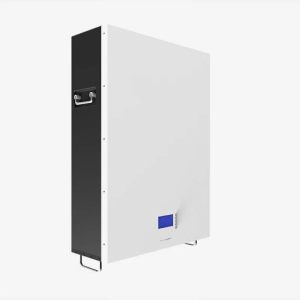
For example, the PPGlob Wall-mounted solar energy storage power system features a 5.12KWh LFP battery equipped with an in-built Battery Management System (BMS). It has a cycle life of over 2000 cycles (100% DoD) and is adaptable to various situations such as uninterrupted power supply, home backups, and more.
4. Industrial and Commercial Uses
Owing to their lower energy density, LiFePO4 batteries are best for industrial and commercial purposes like UPS systems, backup power, and grid storage. Compared to other lithium-ion batteries, they can last longer (about 5000 cycles) and reach 100% DoD. This ensures optimal and reliable performance for LiFePO4 batteries and their ability to store energy.
Pros and Cons Summary
| Pros | Cons | |
| LiFePO4 Batteries |
|
|
| Lithium-ion Batteries |
|
|
FAQs
1. Is a Lithium Ion Battery Similar to a Lithium Iron Battery?
Yes, both battery types are similar. The slight difference is notable in their cathode electrode. LiFePO4’s cathode comprises lithium iron phosphate, the anode is carbon, and the electrolyte is lithium salt in an organic solvent. In contrast, lithium-ion batteries’ cathode consists of lithium metal oxides.
However, depending on the advantages of LFP batteries over Li-ion batteries. The former is preferred.
2. Are LiFePO4 Batteries Good for Solar Applications?
Yes, PPGlob LiFePO4 batteries are good for solar applications such as solar lightings, solar roads, etc., because of their high safety (have undergone strict safety testing), longer lifespan, lightweight (⅓ weight and ⅔ size of lead-acid batteries), eco-friendliness, and efficiency.