The amount of energy a battery can reserve is called battery capacity. It is calculated in watt-hours (Wh) units or milliampere-hour (mAh). A battery with a higher capacity is known to store more energy and provide more power to any device for a longer period.
Understanding a battery’s capacity gives you an idea of how much energy it can deliver. It is an important factor in solar systems that determines how much energy can be stored during the day to be used at night when the sun is at its lowest.
In this guide, we’ll explore the nitty gritty of battery capacity, what mAh means on a battery, how mAh relates to battery life, how to calculate battery life, and tips for selecting the right battery capacity. Follow on as we get started!

Battery Capacity: Understanding mAh
In this section, we’ll explain the meaning of mAh and how it measures the electric charge of a battery.
What is the mAh (milliampere-hour) of Battery?
The mAh of a battery measures the charge capacity and how long it can power a device. It stipulates the amount of electric charge that a battery can store.
A milliampere-hour (mAh) equals one-thousandth of an ampere-hour (Ah). That is, 1 mAh = 0.001 Ah. Both measures are normally used to calculate the energy charge that a battery can sustain to power devices such as smartphones, laptops, cordless appliances, power tools, etc., and how long it can run the devices before depleting.
If the mAh rating of a battery is higher, it is expected to hold more charges and power a device for a longer time. In contrast, a lower mAh rating means the battery has less capacity to store electric charges. The mAh rating of batteries differs significantly, depending on the battery type and construction.
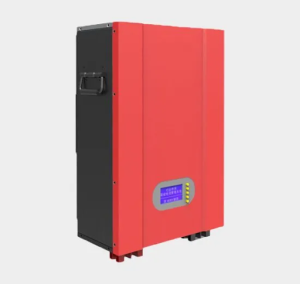
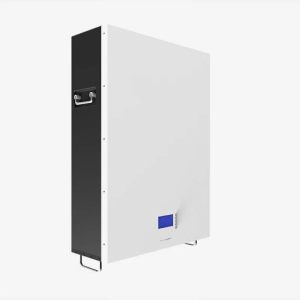
For instance, the PPGlob Home Energy Storage Battery has a 100Ah (100,000mAh) rating. Our robust home energy system is an excellent power backup for residential and commercial purposes.
mAh for Batteries: An Insight into How mAh Relates to Battery Life
Undeniably, battery life is a critical aspect of our device experience, which can influence its productivity. Therefore, it is essential to know the impact of a battery’s mAh rating on its battery life. We already established that the higher a battery’s mAh rating, the larger its capacity, and the longer it will last to power your devices before needing a recharge, and vice versa.
For instance, considering how long a 2500mAh AA alkaline battery will last depends on the mAh rating of the device it is powering. Powering a 250mA current will take 10 hrs at most, but for a 25mA current, it should take 100 hrs before recharging the alkaline battery.
The battery life of a device is calculated using the battery capacity (mAh) and the device’s consumption to get the estimated hours the battery will last. We already demonstrated this in the previous paragraph above.
Detailed below are some home and office appliances and their typical mAh ratings.
- Samsung Galaxy S9 phones with 3000mAh will last 2 to 5 hours if used extensively for playing games or watching videos.
- Laptops such as HP 240G8, Lenovo, etc., have battery ratings between 2500mAh – 4000mAh.
- Apple MagSafe Battery Pack – 1460mAh
- PPGlob 18650 Battery Pack – 4000mAh
- Android Tablets such as Tomtab, Delite Camon S9, Valem Pro Pad have battery capacity ranging from 6000mAh to 8000mAh
Calculating Battery Life
If you’ve just gotten a new laptop, smartphone, or any other electronic device, and you’re trying to figure out how long the battery will last. This section covers how you can calculate your battery’s life based on its capacity and your device’s energy consumption level.
- Battery Life = Battery Capacity (mAh)/Device’s energy consumption level (mA)
For a better understanding, here’s a practical example;
A LiFePO4 deep cycle battery with a capacity of 20Ah (20000mAh) will take 10 hours to deliver current to a 2000mA device. That is;
Battery life of the LiFePO4 battery = 20000mAh/2000mA = 10 hours
Factors that Influence Battery Life
When considering your device’s battery life, bear in mind that some factors could negatively impact it.
1. Temperature
Generally, high ambient temperature is one of the predisposition factors that slow down a battery’s life. The higher the temperature a battery is subjected to, the more chemical reactions inside it and the slower its performance. The recommended temperature range is 65 – 90 degrees F. A cold or warmer temperature will reduce the battery’s functionality.
2. Device Usage
Batteries are designed for specific purposes and applications to provide a high rate of energy. Using an inappropriate battery not meant for the device could affect the battery’s performance. For instance, a UPS battery rated in Watts-Per-Cell will deliver a high rate within a short time, compared to telecom and switchgear batteries rated in Ah, which will run for a longer time.
3. Power Consumption
The rate at which an application consumes energy when working is known as power consumption. The lower the power consumption of a device, the longer the battery life with the same capacity because the battery will slowly deplete.
4. Charge and Discharge Capacity
Different batteries have varying charge and discharge rates. If a battery loses energy slowly during the process, it will provide a longer life span.
5. Self-Discharge Rate
This is the rate at which a battery discharges when not in use, and it varies for different battery types. Batteries that self-discharge rapidly will have a shorter battery life.
6. Battery Type
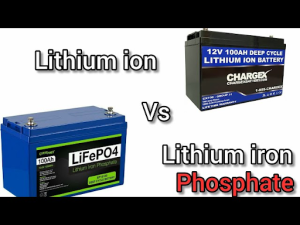
Different battery types, such as lithium-ion, NiMH, and alkaline batteries, have unique electrochemical properties that can influence their performances individually. For example, the PPGlob Wall-mounted Prismatic-LiFePO4 battery has a longer life under the same capacity.
Practical Considerations
Of course, a device with a higher battery life is better and more rewarding. In this section, we will highlight the practical considerations in terms of benefits, the impact of a higher mAh on the size, weight, and cost of the battery, and tips on choosing the right battery capacity for your needs.
What are the Benefits and Trade-offs of Higher mAh Batteries?
Listed below are some of the benefits of a battery with a higher mAh rating ;
- Prolonged battery life that can power a smartphone, laptop, or other electronic devices for a longer time.
- Perfect for a long-distance journey where you won’t need to charge your device in the vehicle.
- It’s very convenient and will boost your productivity because you don’t need to constantly connect your device to a power outlet for charging.
- It’s great in cases of emergency. For instance, the PPGlob Portable Power Station has a battery capacity of 481Wh/32500mAh, and it’s your go-to for outdoor uses and home emergencies.
Higher mAh Batteries: Impact on Size, Weight, and Cost
A battery with a higher mAh will be larger and heavier, which is a trade-off for portable devices, where compact size and weight are crucial factors. Although they provide longer device usage between charges, higher mAh batteries can be bulkier because of their capacity to store more energy.
Additionally, the higher the mAh of the battery, the costlier the device. For example, a 10,000mAh battery capacity is more expensive than a 5000mAh device due to its robust size, heavier weight, and larger designs.
3 Tips for Choosing the Right Battery Capacity
We have some practical tips below for choosing the right battery capacity for your needs.
- Determine your usage patterns and the battery’s portability. If you are concerned about the size and weight of the battery that can fit into smaller devices, then a lower mAh battery is good. But if you want a device that will last longer without minding its bulkiness, then a higher mAh battery capacity is best.
- Consider the backup time needed. Most home appliances like fans, lights, and mobile charging require 3-5 hours steady backup. However, appliances like telecom towers or off-grid homes require large battery capacity for backup.
- Also, consider the battery’s charging time. Higher mAh ratings mean longer charging time. If you’re in a situation where you need your battery boosted quickly, then you need a lower mAh device that can charge faster and vice versa.
Common Questions About mAh
1. How long does a 2500 mAh battery rating last?
A 2500mAh battery will last 10 hours to power a device that draws 250mA of current. Following our guide on calculating a battery’s runtime/life, you can estimate this for any device.
2. What does 10000 mAh mean in terms of hours?
The mAh rating of a device’s battery refers to the capacity in milliamperes and the amount of electric energy it can dispel in an hour. Therefore, a 10000mAh power bank will charge a smartphone with 2000mA for 5 hours. This means the power bank can charge the phone multiple times before needing a recharge.
3. Is a Higher mAh Rating Better?
Yes, a higher mAh rating is better. The higher the battery mAh, the more it can hold energy and the longer it will last to power your device.
4. Average mAh Ratings for Phone Batteries.
Generally, the average mAh of a phone battery ranges from 2500mAh – 4000mAh. In addition, smartphones with good battery power life begin from 4500mAh and above. Also, tablets and laptops with an average battery capacity of around 8000mAh are excellent.
5. How to Convert mAh to Ah?
To convert mAh to Ah, you divide the mAh value by 1000. For instance, a device with 10000mAh is the same as having 10Ah battery capacity.
Conclusion
In summary, milliampere-hour (mAh) is an important factor when choosing a battery for your needs. It impacts the performance and runtime of your battery. The higher the battery’s mAh, the more electric energy it stores and the longer its runtime. Depending on your usage device and power requirements, it’s best to select what perfectly suits you and follow the battery manufacturer’s comprehensive guide for optimal results.