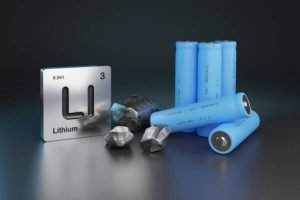
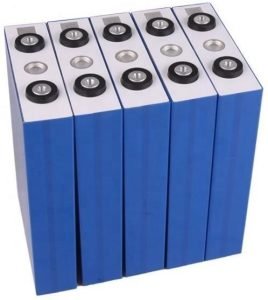
In the intricate universe of battery technologies, two powerhouses consistently emerge: Lithium-Ion and Lithium Iron Phosphate (LiFePO4). Unraveling the best choice isn’t a matter of a simple duel but rather a dance of nuances.
The Core Factors: A Confluence of Considerations\
The optimal choice, in reality, springs from your unique requirements and applications. A high energy density, coupled with a lightweight architecture, propels Lithium-Ion batteries to the forefront for compact, power-hungry devices such as smartphones and sleek laptops. Yet, when safety, robustness, and longevity leap to the top of the priority list, as with electric vehicles or solar power storage, LiFePO4 batteries steal the spotlight.
Now, armed with the gist, let’s delve into the labyrinth, shall we?
An In-Depth Comparison of Battery Types
Lithium-Ion Batteries: Compact Powerhouses
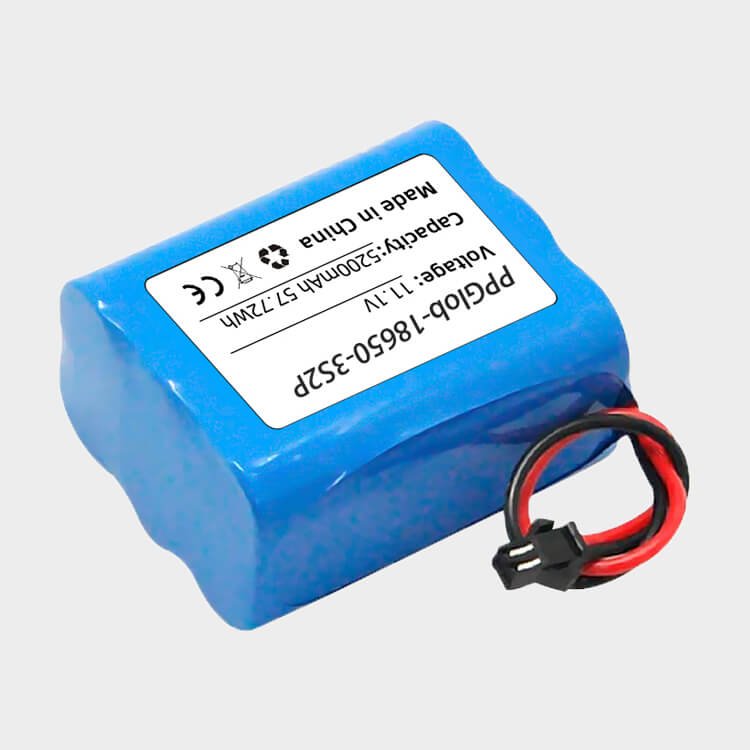
18650-11.1V-3S2P-5.2Ah-battery-image-02-PPGlobThe key attributes of Lithium-Ion batteries include:
- High Energy Density: Ideal for power-demanding devices
- Lightweight: Perfect for portable applications
- Decent Lifespan: Sufficient for most consumer electronics
- Cost: Generally more affordable upfront
- Operating Temperature: Perform best at room temperature
- Self-Discharge Rate: Lower than many other battery types
- Voltage: Typically higher, often 3.7 volts per cell
Lithium Iron Phosphate (LiFePO4) Batteries: The Long-Lasting Guardians
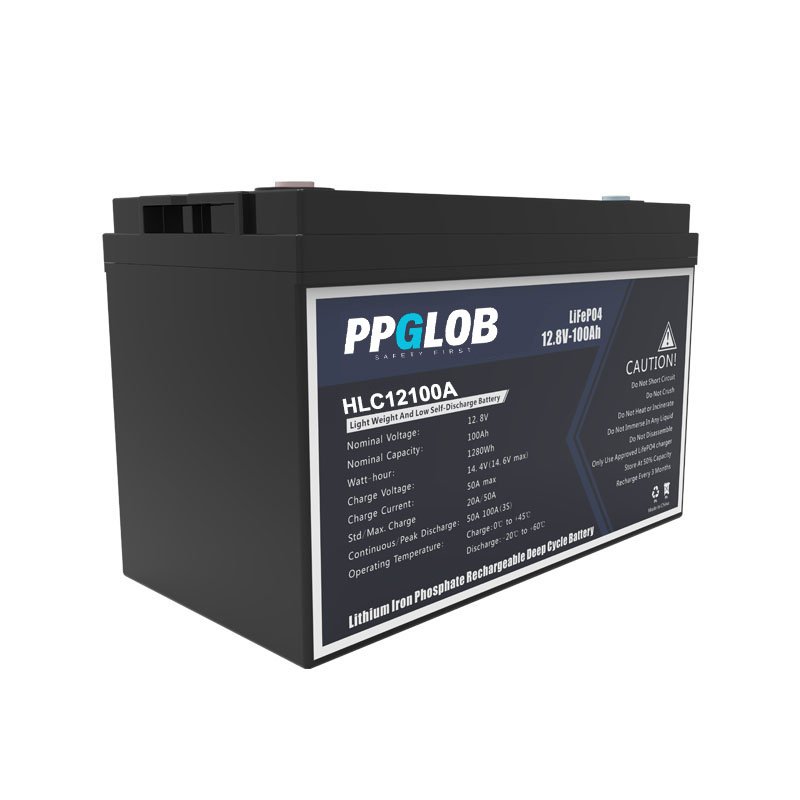
The unique advantages of LiFePO4 batteries are:
- Safety: Superior thermal and chemical stability, reducing risk of overheating and combustion
- Lower Energy Density: Slightly lower than Lithium-Ion, but still ample for many uses
- Weight: Generally heavier due to the sturdy materials used
- Extended Lifespan: Often longer than other battery types, excellent for applications requiring durability
- Cost: Higher upfront, but can be more cost-effective over time due to longevity
- Operating Temperature: Wider range, with solid performance in both hot and cold environments
- Self-Discharge Rate: Comparatively low, great for long-term storage
- Voltage: Lower, often around 3.2 volts per cell
Addressing Key Queries
Are Lithium-Ion and LiFePO4 interchangeable? This hinges on the specifics of your application, including energy demand, available space, and voltage tolerance. Due to differences in size, weight, and voltage, direct substitution may require some adaptations.
Do Lithium-Ion and LiFePO4 share chargers? Both types require lithium battery chargers, but their charging profiles can differ. The best practice is to use a charger specifically designed for your battery type, ensuring optimal performance and extended battery life.
PPGlob’s Offerings: Power Solutions Tailored for You
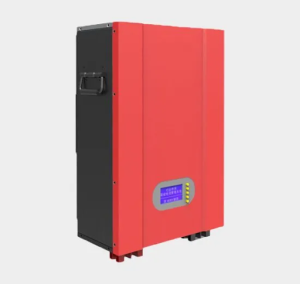
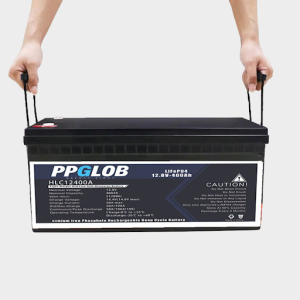
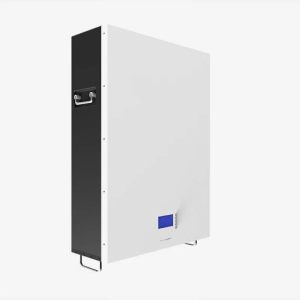
At PPGlob, our extensive range of LiFePO4 and Lithium-Ion batteries caters to a variety of power demands. Our custom lithium battery solutions, designed with your specific needs in mind, provide the perfect fit for your applications.
Choosing between LiFePO4 and Lithium-Ion batteries is a delicate balancing act, a dance of energy requirements, budget constraints, and safety considerations. With a sound understanding of each type’s strengths and weaknesses, you’re well-equipped to pick the best power solution for your journey. At PPGlob, we’re here to accompany you on this voyage, guiding you towards the perfect power solution.