Lithium batteries have become the preferred power source for various electronic devices, from smartphones to laptops and electric vehicles. However, a common issue encountered by users is battery leakage. Leakage not only damages the battery itself, but also brings safety risks and damages the surrounding environment. In this blog post, we will explore necessary tips and preventive measures to ensure that your lithium battery remains leak free. By following these guidelines, you can extend the lifespan of your battery, protect your device, and promote a safer and cleaner environment.
Table of Contents
Understand the causes of battery leakage
In order to effectively prevent lithium battery leakage, it is crucial to understand the reasons behind it. There are several factors that cause battery leakage, including:
Lithium-ion battery on laptop
- Overcharging: Overcharging beyond the battery capacity can lead to pressure buildup and ultimately lead to leakage.
- Physical damage: Dropped or improperly handled batteries can damage their internal structure, leading to leakage.
- Exposure to extreme temperatures: Both high and low temperatures can affect the chemical reactions inside the battery, potentially leading to leakage.
Correct storage method
Proper storage of lithium batteries is crucial for preventing leakage. Here are some key tips to follow:
- Temperature control: Store the battery in a cool, dry place, preferably at room temperature. Avoid exposing it to sunlight as extreme heat can accelerate chemical reactions and increase the risk of leakage.
- Avoid metal contact: When storing batteries, ensure they are kept away from metal objects or other batteries, as contact with metal surfaces can cause short circuits and leaks.
- Use insulated containers: Consider using specialized battery storage boxes or containers to provide insulation and protection to prevent physical damage.
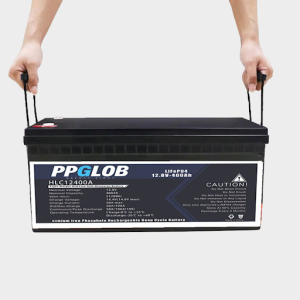
Li-polymer battery PPGlob
Correct storage method
Proper storage of lithium batteries is crucial for preventing leakage. Here are some key tips to follow:
- Temperature control: Store the battery in a cool, dry place, preferably at room temperature. Avoid exposing it to sunlight as extreme heat can accelerate chemical reactions and increase the risk of leakage.
- Avoid metal contact: When storing batteries, ensure they are kept away from metal objects or other batteries, as contact with metal surfaces can cause short circuits and leaks.
- Use insulated containers: Consider using specialized battery storage boxes or containers to provide insulation and protection to prevent physical damage.
Handling and usage techniques
Correct handling and usage methods can greatly reduce the possibility of lithium battery leakage.
- Avoid overcharging: Once the batteries are fully charged, do not let them be connected to the charger for a long time. Overcharging can lead to pressure accumulation and leakage.
- Use a compatible charger: Always use a charger specifically designed for the battery type and model. Using an inappropriate charger can damage the battery and increase the risk of leakage.
- Prevent physical damage: Handle the battery carefully to avoid falling or being hit. Damaged batteries are more prone to leakage.
- Regular inspection: Regularly inspect the battery for signs of damage, such as bulges, cracks, or leaks. If any problems are found, replace the battery immediately.
Properly handle expired or damaged batteries
Expired or damaged lithium batteries should be safely disposed of to prevent potential leakage and environmental pollution. Please follow the following guidelines for proper handling:
- Recycling: Lithium batteries should be recycled through designated recycling centers or projects. Many electronic stores and recycling facilities accept old batteries for safe disposal.
- Battery collection activities: Pay attention to local battery collection activities organized by municipal authorities or environmental organizations. These activities provide a convenient and responsible way to dispose of waste batteries.
- Separate storage: If you need to temporarily store expired or damaged batteries, please place them in separate containers, away from normal use batteries, to reduce any potential leakage or safety risks.
Conclusion
By following these basic tips and preventive measures, you can greatly reduce the risk of lithium battery leakage. Proper storage, handling, and disposal methods are key to maintaining battery integrity, ensuring their lifespan, and promoting a safer environment for all.