Shrouded in power and mystery, lithium batteries can be a tricky parcel to handle. At PPGlob, we craft these energy behemoths with precision and care, be it LiFePO4 or Lithium-Ion batteries. But what happens when these powerhouses need to travel? Enter the maze of battery shipping.
As makers, we’re also shippers, and safety is the name of the game. So here’s a quick answer to your burning question: how do you ship lithium batteries safely? It’s all about three things: secure packaging, aligning with regulations, and choosing the right shipping carrier. Let’s unpack this.
The First Layer: Secure Packaging
Think of each battery as a precious artifact. Wrap it snugly, guard it against short circuits, and cushion it against shocks. If the battery powers a device, make sure it can’t accidentally spring to life during transit. Lastly, don’t skimp on quality packaging material.

The Second Layer: Regulations
Every battery shipment must salute the guidelines set out by IATA and PHMSA. From packaging standards to documentation – these rules ensure safety every step of the way.

The Third Layer: Shipping Carrier
USPS, FedEx, and UPS? They all permit lithium battery shipments under certain conditions. The trick is to align with their unique policies and regulations.
Got it? Now, let’s dive deeper and answer your specific questions.

Can I Send Lithium Batteries Through USPS?
In short, yes. USPS does allow for the shipment of lithium batteries, but conditions apply. You can’t ship standalone lithium batteries via USPS, but if they’re nestled in the devices they power, domestic shipping is an option. As for international shipping, USPS requires the batteries to remain installed in the equipment they power.
Can I Ship Lithium Batteries Via FedEx?
Yes, FedEx offers options for shipping lithium batteries, but it requires a careful dance with IATA and PHMSA regulations. Plus, there’s a special training program and a dangerous goods contract to sign before FedEx will transport your lithium batteries.
Will UPS Ship Lithium-Ion Batteries?
Yes again, UPS does provide options for shipping lithium-ion batteries. Similar to FedEx, UPS demands adherence to IATA and PHMSA regulations, with stipulations on packaging, labeling, and specific Wh (Watt-hour) limits.
Now, let’s take a step beyond and explore some crucial elements you might not have considered.
Recognize Your Power: Types of Batteries
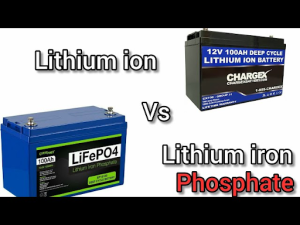
There are two major players in the lithium battery game – Lithium-ion (Li-ion) and Lithium iron phosphate (LiFePO4). Li-ion batteries are ubiquitous in portable devices due to their high energy density. LiFePO4 batteries, known for their safety and durability, are often found in applications requiring robust power. Knowing your battery type is key because different rules can apply.
Branding Your Box: Required Labels and Markings
There’s a unique language when shipping lithium batteries, spoken through labels and markings. A lithium battery handling label, which features a symbol of batteries, is a must. For batteries exceeding specific limits, a ‘Cargo Aircraft Only’ label might be required. Staying current with the latest guidelines ensures your labels are accurate.
Timing is Everything: Shipping Lead Time
Shipping these power packs takes patience. Depending on the shipping carrier and destination, it might be anywhere from 1 to 5 working days for domestic shipments and possibly longer than a week for international ones. Factors like customs, package volume, and ‘dangerous goods’ status can influence these timelines.
Embarking on the lithium battery shipping journey might seem daunting, but with the right guide, the path becomes clearer. At PPGlob, we’re committed to shedding light on this intricate process. Keep in mind that the regulations around shipping lithium batteries are always evolving, so stay up-to-date and consult an expert when in doubt. Safe shipping!