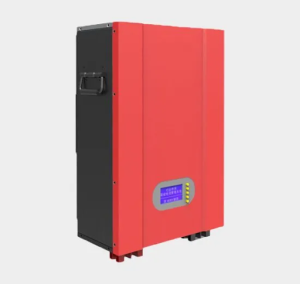
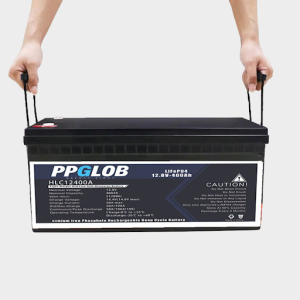
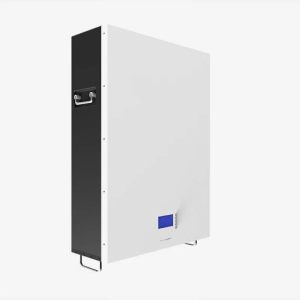
Imagine going anywhere with power electric. That’s the magic of portable power stations. That’s the magic of portable power stations. Let’s dive deep into the heart of these power-packed devices and unravel their mysteries.
The Essence of Portable Power Stations 🌌
A portable power station is more than just a battery. It’s a powerhouse designed to keep your devices alive when you’re off the grid. Think of it as a beefed-up power bank, but with the capability to power not just your phone or tablet, but even household appliances!
Power Station vs. Power Bank: What’s the Difference? 🤔
While both store energy, a power station is like the elder sibling of a power bank. It boasts one or more AC outputs, allowing you to connect a variety of devices. Power banks are your go-to for day trips, while power stations are perfect for longer adventures, especially when combined with solar panels.
The Many Faces of Outputs 🔌
Portable power stations come equipped with:
- 220V power outlets for your heavier appliances.
- 12V car plug (like the cigarette lighter in your car).
- USB ports, including fast-charging ones.
- And even a 100W USB-C PD input/output for rapid charging.
Pure Sine Wave: The Silent Hero 🌊
Ever heard a humming sound from some electronic devices? With a pure sine wave in portable power stations, that’s history. It ensures a smooth connection, eliminating hums and interference. So, whether it’s your old radio or your electric toothbrush, everything works in harmony.
Which Devices Can You Connect? 💡
The rule of thumb is to check the wattage of the device you want to connect. Ensure it’s less than the maximum output of your power station. From lighting and gaming consoles to kettles and fans, the possibilities are vast.
Battery Life: The Heartbeat of the Power Station ❤️
The battery content is measured in watt-hours (Wh). The math is simple: divide the usable capacity of the power station by the wattage of your device, and you get the number of hours it can power your device.
Charging: Refueling the Beast ⚡
You can charge your power station in multiple ways:
- Using a regular charger at home.
- Through a 12V car connection.
- Via solar panels using an MC4 cable.
- Or even with a USB-C PD charger.
Maintenance: Keeping the Power Station in Prime Condition 🛠️
For longevity:
- Store in a dry place at room temperature.
- Avoid extreme temperatures.
- Recharge every 3-6 months when not in use.
In Conclusion 🌠
Portable power stations are revolutionizing the way we think about energy on the go. Whether you’re camping in the wilderness or facing a power outage at home, they’ve got your back. So, the next time you think of power, think portable!