Winter is coming and we might need portable heater. Sometimes we might be in the scenario where fixed power supply is not an option and in that case, portable power station might be the most convenient and reliable option available. In this article, we will see how portable power station can be used as a heater and things to consider while buying the best available option.
This is a detailed guide on portable power station for space heater. From the convenience of portable power station to important things to consider while buying best portable power station, this article will cover all the aspects. Also, we will take a look at some of the top portable heater power stations available.
This article is for all those who are in need of a power source which is portable and reliable. This can be very helpful for people who are passionate about outdoor works or living on the location as power cut is a regular phenomenon or for those who are looking for powering their heater in remote locations.
Top 5 Best-Selling Portable Power Stations for Heaters Currently Available
- EcoFlow Delta 2 Max
- Jackery Explorer 1000
- Jackery 2000 Plus
- EcoFlow Delta Pro
- Goal Zero Yeti 500X
#1 EcoFlow Delta 2 Max
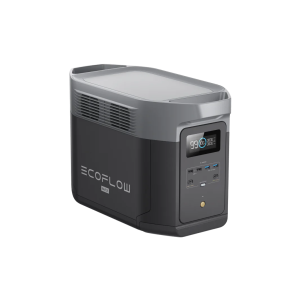
Image source: EcoFlow
Features and specifications of EcoFlow Delta 2 Max
Dimension:
- 497 × 242 × 305 mm
Features:
- Expandable capacity – 2-6kWh expandable capacity to fit your energy storage needs. Add up to two DELTA 2 Max Smart Extra Batteries to hit a capacity of 6144Wh. Ideal for home backup, RVing, outdoors or even everyday use.
- Built to last 6× longer – Get 10 years of daily use until hitting 80% of its original capacity. That’s down to its LFP battery chemistry giving you 3000+ cycles.
- Huge AC output – With X-Boost mode get up to 3400W output power to run 99% of home appliances. Power 15 devices at once including 6 AC outlets.
Specification:
- Capacity: 2048Wh
- AC Output: 6 outlets, 2400W total
- USB-A Output: 2 ports, 5V, 2.4A, 12W Max per port
- USB-C Output: 2 ports, 5/9/12/15/20V, 5A, 100W Max per port
- USB-A Fast Charge: 2 ports, 5V, 2.4A / 9V, 2A / 12V, 1.5A, 18W Max
- Car Power Output: 1 port, 12.6V, 10A, 126W Max
Pros and cons of EcoFlow Delta 2 Max
| Pros: | Cons: |
|
|
#2 Jackery Explorer 1000
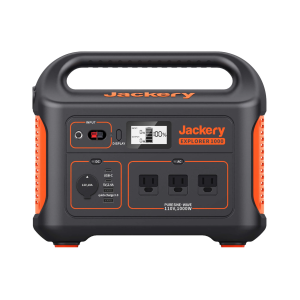
Image source: Jackery
Features and specifications of Jackery Explorer 1000
Dimension:
- 13.1 * 9.2 * 11.1 inch
Features:
- 1002Wh Capacity, 1000W (2000W Surge Power) Output
- Supports 8 Devices Simultaneously
- 3 Ways to Recharge
- Safe and Easy to Use
- Long Battery Standby
- Shock and Fire Resistance
- Compact and Portable
Specification:
- AC Output(x3):110V, 60Hz, 1000W (2000W Peak)
- USB-A Output(x2):5V⎓2.4A, Quick Charge 3.0×1, 18W Max
- USB-C Output(x2):18W Max, (5V, 9V, 12V up to 3A)
- AC Input:doesn’t support direct AC charging – use external AC charger provided
- DC Input:24V⎓7.5A
Pros and cons of Jackery Explorer 1000
| Pros: | Cons: |
|
|
#3 Jackery 2000 Plus
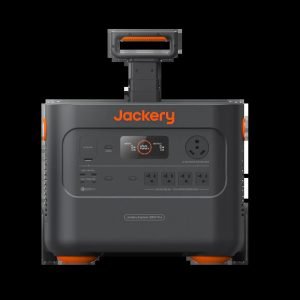
Image source: Jackery
Features and specifications of Jackery Explorer 2000 Plus
Dimension:
- 18.6 * 14.1 * 14.7 inch
Features:
- Expandable for Versatile Scenarios: 2-24 kWh of expandable capacity
- Leaping Performance: Powers Heavy-duty Devices up to 6000W
- Ultra Fast Solar Charging: Advanced IBC Technology, Fast Solar Charge in 2 Hours
- Long-lasting Reliability: Outstanding LiFePO4 Battery with 10-Year Lifespan
- ChargeShield Technology: Using a unique variable-speed charging algorithm, fast charge technology boosts battery life by 50%
Specification:
- AC Output(×4):120V~ 60Hz, 20A Max, AC
- Output(×1):120V~ 60Hz, 25A Max, AC Total Output,3000W Max, 6000W surge peak
- USB-A Output(x2): Quick Charge 3.0, 18W Max
- AC Input: 120V, 60Hz, 15A Max
- 4000 cycles to 70%+ capacity
- 100W Max, (5V, 9V, 12V, 15V, 20V up to 5A)
- 11V-17.5V, 8A Max, Double to 8A Max 17.5V-60V, 12A Max, Double to 24A/1400W Max
Pros and cons of Jackery Explorer 2000 Plus
| Pros: | Cons: |
|
|
#4 EcoFlow Delta Pro
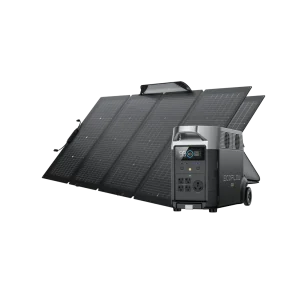
Image source: EcoFlow
Features and specifications of EcoFlow Delta Pro
Dimension:
- 63.5*28.4*42cm
Features:
- First portable home battery designed for home backup
- 3.6-25kWh expandable capacity with DELTA Pro Smart Extra Battery
- 3600W-7200W AC output for 99% appliances
- Incredible 6500W MultiCharge, 2.7 hours AC charging
- Industry first: recharge at thousands of EV stations worldwide
Specification:
- AC output: 5 outlets, 3600W total (Surge 7200W)
- USB-A output: 2 ports, 5V, 2.4A, 12W Max per port
- USB-C output: 2 ports, 5/9/12/15/20V, 5A, 100W Max per port
- DC5521 Output: 2 ports, 12.6V, 3A, 38W Max per port
- AC Charging Input: 1800W Max, 120V~15A, 3000W Max, 240V~12.5A
- 6,500 cycles to 50% capacity, 3,500 cycles to 80% capacity
- Solar Charging Input: 1600W Max, 11-150V, 15A Max
Pros and cons of EcoFlow Delta Pro
| Pros: | Cons: |
|
|
#5 Goal Zero Yeti 500X
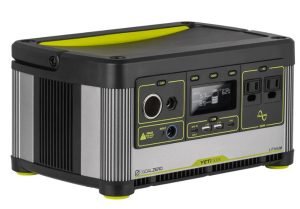
Image source: Goal Zero
Features and specifications of Goal Zero Yeti 500X
Dimension:
- 19.05 x 28.58 x 14.73 cm
Features:
- Power a wide range of devices. Yeti 500X is equipped with four different port options—including AC, 12V, and 60W USB-C PD—to power everything from phones to portable fridges.
- High-Speed charging solutions. Equipped with the latest charging technology, including a high-speed Power Delivery port capable of charging USB-C laptops, tablets, mirrorless cameras, and phones in a fraction of the time.
- Experience unlimited power. Charge the Yeti 500X from the sun with our portable solar panels while away from the grid and keep it topped off from a wall outlet when you’re home. Featured MPPT charge controller ensures you’re getting the most efficient solar charge possible.
Specification:
- USB port (Output): 5V, up to 2.4A (12W max), Regulated
- USB-C port (Output): 5/9V, up to 3.0A (18W max), Regulated
- USB-C PD port (Input/ Output): 5-20V, up to 3.0A (60W max), Regulated
- Lifecycles: 500 Cycles to 80% capacity (Discharge rate: 0.2C, Full charge/discharge, Temp: 25C)
- Management system: ‘MPPT’ charge controller, low battery protection
Pros and cons of Goal Zero Yeti 500X
| Pros: | Cons: |
|
|
Portable heating is going to go mainstream this winter and this article tries to answer the question of how to run portable heaters from a power station. The essential part about these power stations is that they are reliable and convenient. If you have been planning to build a power station, it’s time to do so because they will be very useful during this cold season.
This article features some of the portable heater power stations that are selling like hot cakes in the market today. Before we get to mention some of them, let’s consider some of the factors to take into consideration when buying a portable power station. Essentially, a power station is a battery pack used to store the electricity that is needed to be used. They are small in size and very convenient to carry around wherever you are. Some of the key features to check before buying include; rated power, surge power, USB ports, type of battery, frequency of use and other considerations. You can also contact us PPGlob battery to get further information.