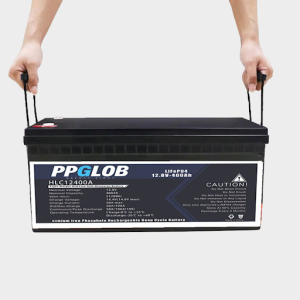
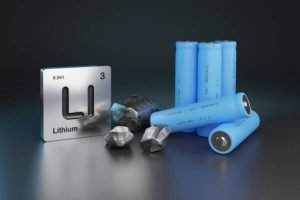
As we propel headlong into an era of technological wonder, there’s an unsung hero that resides in our gadgets, our cars, even in our renewable energy solutions. Lithium Iron Phosphate batteries, or LiFePO4, as they are often referred to, are the silent power-bearers of the modern age, invigorating our lives with their consistent, dependable energy.
LiFePO4 batteries are a subset of the lithium-ion battery family. They make a powerful statement in the world of rechargeable batteries through their unique chemistry. With a cathode material of lithium iron phosphate, they differ from other popular lithium-ion batteries which employ lithium cobalt oxide or lithium manganese oxide.
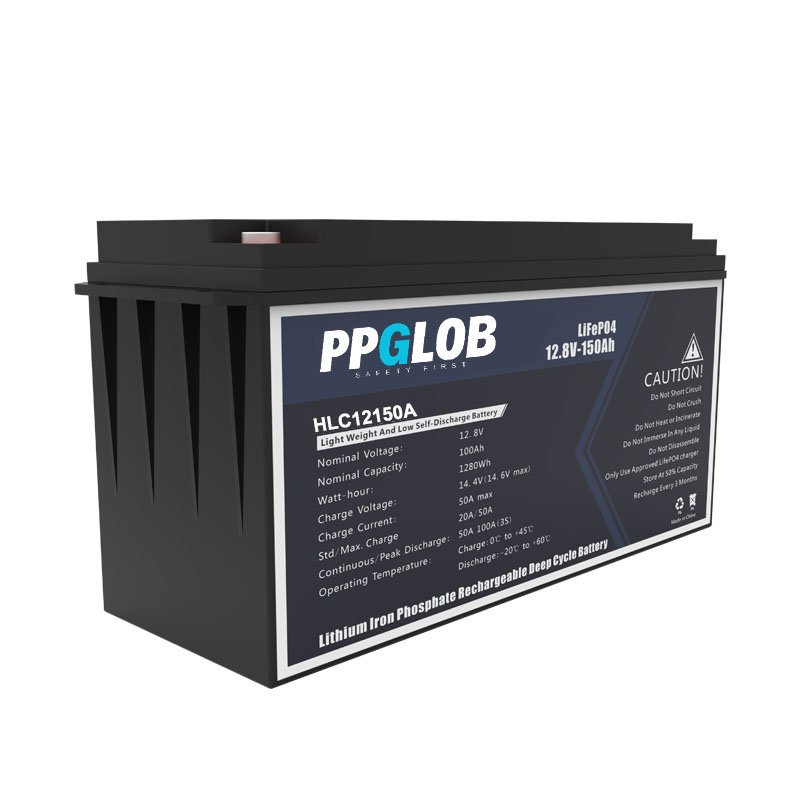
One might wonder – why does this lithium, iron, and phosphate fusion matter? The answer is multi-layered. It not only boasts a long lifespan, which can extend up to 2000 to 3000 charge cycles, but it also offers unparalleled safety. LiFePO4 batteries, due to their distinct chemistry, exhibit extraordinary thermal stability and are significantly resistant to overheating, even in the face of volatile conditions.
Let us now turn our attention to energy density. Here, the LiFePO4 battery may seemingly falter in comparison to its lithium-ion cousins, with a slightly lower energy density. However, remember that this slight setback is readily offset by the batteries’ other admirable qualities, such as increased safety and longer life expectancy.
24V Lifepo4 battery 24100 PPGlob
In the grand ballet of power distribution, LiFePO4 batteries dance with elegance and vigor. They operate at a nominal voltage of 3.2V, and when needed, can maintain a higher discharge rate while upholding their structural integrity. This balance of power and stability makes them particularly suited to applications that require both high energy outputs and endurance.
Amidst the thunderous applause for its safety and longevity, let’s not overlook another applause-worthy attribute of the LiFePO4 battery – its eco-friendliness. The phosphate in LiFePO4 batteries is a naturally occurring substance. It contrasts favorably against the environmentally damaging heavy metals like cobalt and nickel, found in other types of lithium-ion batteries.
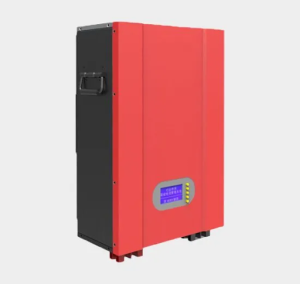
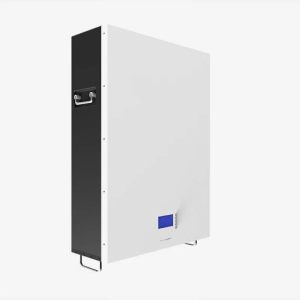
The applications of LiFePO4 batteries span from powering electric vehicles, energizing solar power systems, supporting emergency power systems, to fuelling a host of portable electronic devices. Their robustness, safety features, and green footprint make them a vanguard in the realm of power storage solutions.

As we continue to traverse the electrified landscapes of our tech-powered world, LiFePO4 batteries promise a journey infused with safety, power, and sustainability. By truly understanding the characteristics and advantages of these energy titans, we are better equipped to harness their full potential, lighting up our path into a more resilient and sustainable future.