When it comes to the world of rechargeable lithium-ion batteries, two models often come into the spotlight: the 26650 and the 18650. Both have their unique features, advantages, and applications, but which one stands out? Let’s dive deep into the comparison.
Key Differences Between 26650 and 18650 Batteries
18650 Batteries:
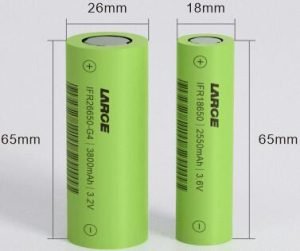
- Size and Shape: The name “18650” denotes its dimensions: 18mm in diameter and 65mm in length. It’s a cylindrical battery.
- Capacity: Generally, the capacity of an 18650 lithium-ion battery ranges between 1200mah and 3600mah.
- Applications: These batteries are predominantly used in industries, especially in laptop battery packs, high-end flashlights, electric vehicles, and cordless tools.
- Advantages:
- High Capacity: Can easily exceed 5000mah when combined into a battery pack.
- Longevity: Offers a cycle life of over 500 times during typical usage.
- Safety: High safety performance with features preventing explosions or burning.
- Voltage: Typically operates at 3.6V, 3.8V, or 4.2V, which is higher than many other batteries.
- No Memory Effect: Can be charged at any time without needing to be fully drained.
- Price: Prices can vary based on the brand and capacity, but they typically range from $1 to higher prices depending on the specifications.
Disadvantages of 18650 Battery:
- Fixed Size: Its size is standardized, which can be a limitation when fitting into specific devices.
- Safety Concerns: There’s a potential risk of short circuits or explosions if not handled correctly.
- Protection Circuit Requirement: Needs a protection circuit to prevent overcharging and discharging.
- Production Conditions: Requires high production conditions, increasing the production cost.
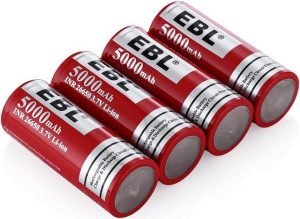
Image source: EBL 26650 battery
26650 Batteries:
- Size and Shape: The 26650 battery has a diameter of 26mm and a length of 65mm, making it bulkier than the 18650.
- Capacity: A 26650 battery generally has a larger capacity, with some models offering around 5200mAh.
- Applications: These batteries find their use in power tools, lighting, wind and solar energy storage, electric vehicles, toys, and more.
- Advantages:
- Higher Energy Density: Can produce high voltages while ensuring safety and efficiency.
- Versatility: Suitable for high-drain applications and available in both protected and unprotected forms.
- Price: Prices for the 26650 batteries can vary, but they typically start from $1.99 and can go higher based on the brand and specifications.
Disadvantages of 26650 Battery:
- Size: Larger and bulkier, which might not be suitable for compact devices.
- Availability: Not as widely available as the 18650 batteries.
Why are 18650 batteries famous?
Despite their good performance, 18650 batteries are well known because they can carry more power and serve for today’s high-tech flashlights. In addition, the SOPs for element manufacturing are highly sophisticated today. The inconsistency of the batteries may be reduced, making 18650 batteries safer and more famous.
Can I replace 18650 battery with 26650 battery?
In theory, you can replace an 18650 battery with a 26650 battery, given that the device can accommodate the larger size of the 26650. However, there are a few things to consider:
- Size: Ensure the device has enough space to fit the larger 26650 battery.
- Voltage: Ensure the voltage requirements match. Both batteries typically operate around the same voltage range, but it’s always good to double-check.
- Capacity: The 26650 will generally have a higher capacity, which means longer usage time.
- Terminal Type: Ensure the terminals (flat-top or button-top) match the device’s requirements.
Always consult the device’s manufacturer or a battery expert before making a switch.
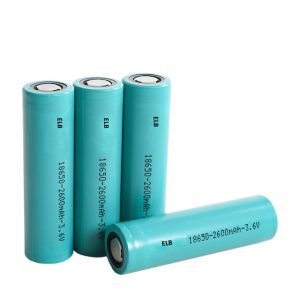
Image source: ELB 18650 battery
26650 vs 18650: Which is better?
The choice between 26650 and 18650 largely depends on the specific requirements of the application. If you’re looking for a battery with a larger capacity and don’t mind the extra bulk, the 26650 might be the way to go. It’s especially suitable for devices that require more extended periods of power.
On the other hand, the 18650 battery is more compact and is widely used in various industries, making it a more versatile option. Its long service life and high safety performance make it a reliable choice for many applications.
In conclusion, both batteries have their merits. The 26650 offers more power, while the 18650 provides versatility and reliability. Depending on your needs, either could be the perfect fit.
FAQs for “26650 vs 18650 battery”
- What are the main differences between 26650 and 18650 batteries?
The primary differences lie in their size, capacity, and applications. The 26650 is bulkier with a higher capacity, while the 18650 is more compact and widely used in various industries.
- Can I replace my 18650 battery with a 26650 battery in my device?
It depends on the device. If it can accommodate the larger size of the 26650 and the voltage requirements match, it’s possible. However, always consult the device’s manufacturer before making a switch.
- Why are 18650 batteries more popular than 26650 batteries?
The 18650 battery’s compact size, high energy density, and versatility have made it a preferred choice in many industries, from laptops to electric vehicles. Its long-standing presence in the market also contributes to its popularity.
- Are 26650 batteries safer than 18650 batteries?
Both batteries have high safety standards, but it’s essential to handle them correctly to prevent potential risks. The safety largely depends on the brand, quality, and the protection circuits in place.
- Which battery has a longer lifespan: 26650 or 18650?
The lifespan of a battery depends on its usage, charge cycles, and quality. Generally, both batteries offer similar lifespans, but the 26650 might last longer due to its higher capacity in some applications.