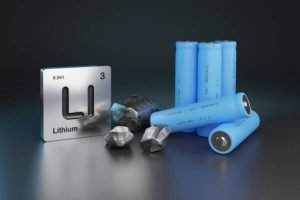
Your RV is more than just a vehicle; it’s your home on wheels. And just like your stationary home, it needs a reliable power source. Here, we unravel everything you need to know about best lithium rv battery – the heart of your RV’s electrical system.
The Core of RV Batteries
RV batteries are divided into two main types: the Chassis Battery that starts your engine, and the House Battery (or batteries) that power your living space. The latter are typically deep cycle batteries, designed to be discharged and recharged repeatedly without damage.
How Long Do Deep Cycle RV Batteries Last?
The lifespan of a deep cycle RV battery can vary significantly, from 2 to 7 years. This range depends on the type of battery you have, how often you use your RV, and how well you maintain your batteries.
Testing and Maintaining Your Deep Cycle RV Batteries
Regular maintenance is key. For lead-acid batteries, this includes:
- Regularly checking the water level
- Ensuring the connections are clean and tight
- Using a multimeter to check the charge
For all batteries, avoid overcharging and undercharging. Modern smart chargers can help with this, as they adjust the charge rate based on the battery’s current state.
Are All RV Batteries Deep Cycle?
No, not all RV batteries are deep cycle. The chassis (or starting) battery in your RV is not a deep cycle battery. It delivers a large burst of power for a short time to start the engine. In contrast, deep cycle batteries, or house batteries, are designed to provide a steady amount of power over a longer period.
Should I Use a Deep Cycle Battery in My RV?
Absolutely. Deep cycle batteries are essential for powering the appliances and systems in the living area of your RV. They are designed to be discharged to a low level and recharged repeatedly, which is exactly what you need when you’re living on the road.
Types of Deep Cycle Batteries
- Flooded Lead Acid: Traditional and affordable, but require regular maintenance.
- AGM (Absorbed Glass Mat): More expensive, but virtually maintenance-free and generally safer.
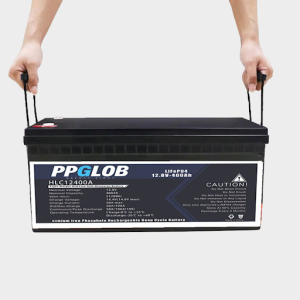
- Lithium-Ion: The priciest option, but they’re lightweight, compact, and can deliver more usable energy.
The Pitfalls of Gel and Lead Acid Batteries
Gel cell batteries are sensitive to high charging voltages, so you must use a compatible charger. Lead-acid batteries are heavy and require regular maintenance, but they are also the most affordable option.
Understanding Battery Failure
Two common culprits of battery failure are undercharging and overcharging. Undercharging can lead to sulfation, where crystals form on the lead plates in the battery, reducing its capacity. Overcharging can lead to water loss and plate corrosion.
Final Thoughts
Your RV’s batteries are more than just a power source; they’re the key to your comfort and convenience on the road. By understanding the different types of batteries available, how to maintain them, and what can go wrong, you’re well on your way to ensuring that your home on wheels is always powered and ready for adventure.