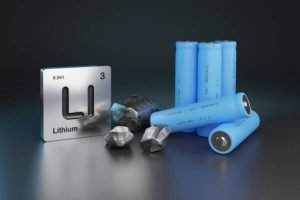
Powering an era of portable technology, lithium-ion batteries have revolutionized our lives. Ubiquitous in devices ranging from smartphones to electric vehicles, these rechargeable powerhouses have become the lifeblood of our modern world. The portable power station, a marvel of technology that provides off-grid electricity, owes its convenience and efficiency to lithium-ion batteries. With the ability to store large amounts of energy in a small space and the capacity to recharge repeatedly, these batteries turn portable power stations into reliable companions for all our adventures.
Diving into the depths of these compact energy bundles, we uncover a world of sophisticated science and intricate design. The heart of a lithium-ion battery, often invisible to the casual observer, is a rich tapestry of chemical reactions and finely tuned engineering, enabling these batteries to power our world with impressive efficiency.
What are lithium-ion batteries?
Lithium-ion batteries, commonly known as Li-ion batteries, are a type of rechargeable battery where lithium ions move from the negative electrode to the positive electrode during discharge and back when charging. Their robust energy-to-weight ratio, good high-temperature performance, and lack of memory effect (a common issue with other rechargeable battery types) set them apart.
Inside a Lithium-ion Battery Cell
Peering inside a lithium-ion battery cell, we find three main components: a positive electrode (made from a lithium metal oxide), a negative electrode (often made from carbon), and an electrolyte (a lithium salt in an organic solvent) through which lithium ions travel. When the battery discharges, lithium ions move from the negative to the positive electrode, and during charging, they move back. This back-and-forth movement of ions is what generates electricity.
There are different types of lithium-ion batteries, each defined by the specific materials used in their electrodes. For instance, we have 18650 battery packs, known for their high energy density and long lifespan, and 3.7V polymer batteries, which are lightweight and flexible. There are also the LFP lithium series batteries, appreciated for their safety and long cycle life.
Advantages and Limitations of Lithium-ion Batteries
Advantages:
- High Energy Density: Lithium-ion batteries pack a large amount of power into a small space, making them ideal for devices that need to be lightweight and compact.
- No Memory Effect: Unlike some other rechargeable batteries, lithium-ion batteries can be recharged at any time without reducing their battery life.
- Low Self-Discharge: Lithium-ion batteries lose their charge slowly, which makes them ideal for devices that need long standby times.
Limitations:
- Cost: Lithium-ion batteries are more expensive to manufacture than other types of batteries due to the complexity of their design and the cost of the materials used.
- Aging: Even when not in use, lithium-ion batteries degrade with time. The lifespan of a lithium-ion battery can be influenced by factors like temperature and charge/discharge cycles.
How Long Do Lithium-ion Batteries Last?
Lithium-ion batteries usually last between two to three years, or 300 to 500 full charge cycles, whichever comes first. However, with good care, including avoiding extreme temperatures and charging your device properly, they can last even longer.
Ultimately, the lithium-ion battery, despite its limitations, remains a cornerstone of modern portable power. From custom 18650 battery packs to lithium-ion polymer batteries, these energy powerhouses continue to evolve, promising a future of sustainable and efficient power solutions.