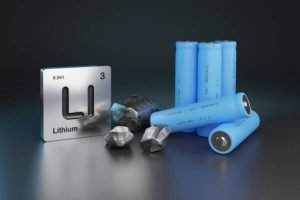
Section 1: What are LiFePO4 Batteries?
Let’s talk about LiFePO4 batteries. An alternative name? Lithium Iron Phosphate batteries. These rechargeable power units use LiFePO4 as a cathode material and they’ve broken new ground, emerging as a remarkable alternative to the usual suspects: lithium-ion and lead-acid batteries.
What goes on within these batteries? It’s a simple and yet ingeniously effective chemical dance. The LiFePO4 compound interacts with lithium ions during discharge, and energy springs forth. In contrast, when you charge the battery, an external power source nudges the reaction back, replenishing the battery’s power stores.
So, what sets these LiFePO4 batteries apart on the grand stage of energy storage? They bring several hard-hitting advantages to the table.
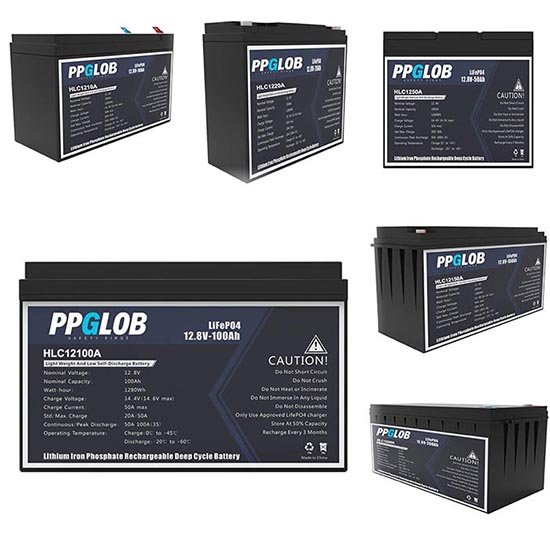
Starting with their thermal stability – it’s exceptional. While traditional lithium-ion batteries might flirt with danger, overheating or even threatening to explode under high temperatures, LiFePO4 batteries keep their cool. Safe and stable, always.
Next, they boast high charge and discharge rates. They’re a force to reckon with when you need a substantial power surge over short timeframes. Plus, their lifespan? Impressive. They often champion over 2000 full charge-discharge cycles before their capacity shrinks below 80%, outliving many other battery types.
Environmentally, LiFePO4 batteries play the friendly neighbor. Iron, a plentiful and non-toxic element, is at their heart, making these batteries less harmful to produce and easier to dispose of.
Now, where do you find these powerhouses? Look around. Electric vehicles, solar power storage, high-demand electronics, they’re all tapping into the robust and resilient capabilities of LiFePO4 batteries. As technology charges ahead, the potential for these dynamic batteries follows closely.
Section 2: Understanding Deep Cycle Batteries
Deep cycle batteries are an entirely different breed of power storage units, distinguishable by their unique design and function. The term ‘deep cycle’ refers to the ability of these batteries to be discharged almost completely before recharging.
Most batteries don’t take kindly to being drained of their power, resulting in a shorter lifespan. However, deep cycle batteries are not most batteries. They are designed to handle substantial discharging over and over again.
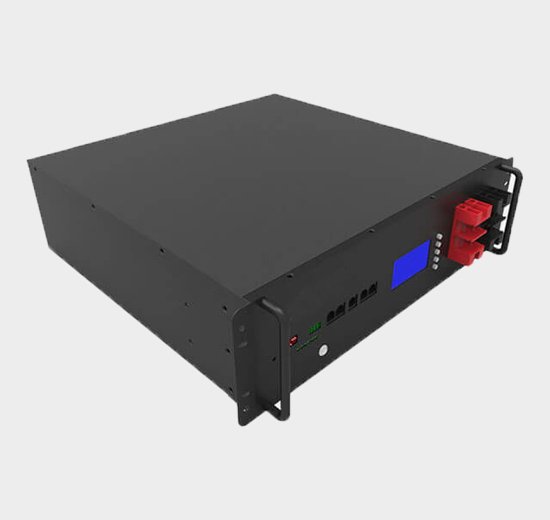
The main distinguishing characteristic of deep cycle batteries is their thicker active material plates, which give them a higher capacity and allow for a deeper discharge. These batteries can often discharge up to 80% of their capacity without any adverse effects.
Deep cycle batteries come with several benefits. The most notable is their long-lasting power delivery, making them perfect for applications that require a consistent energy output over extended periods. They are less susceptible to ‘depth of discharge’ damage, which makes them far more durable than their regular counterparts.
Moreover, they are typically more robust and can withstand the rigors of demanding applications. They are reliable power sources and are often used in renewable energy systems, electric vehicles, boats, recreational vehicles, and any system where the battery is the main source of power.
To sum up, deep cycle batteries are the marathon runners of the battery world. They offer endurance and reliability, providing a steady flow of power over longer periods, making them an ideal choice for an array of demanding applications.
Section 3: Deep Cycle LiFePo4 Batteries
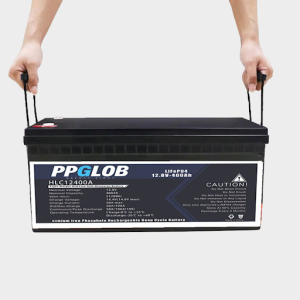
Here is where two powerful concepts converge: the resilience of LiFePO4 batteries and the endurance of deep cycle batteries. This fusion gives birth to the deep cycle LiFePO4 battery, an energy storage device that promises both stability and a substantial energy supply over prolonged periods.
A deep cycle LiFePO4 battery not only offers the safety and thermal stability of LiFePO4 batteries, but it also brings the advantage of deep discharging that’s typical of deep cycle batteries. Imagine a battery that doesn’t falter even when it’s drained repeatedly, and on top of that, stays cool under pressure. That’s a deep cycle LiFePO4 battery for you.
Given their unique combination of features, these batteries excel in high-demand applications. You’ll often find them in recreational vehicles, boats, and solar power storage systems. They can consistently supply power for long periods, withstand deep discharges, and recharge quickly and efficiently.
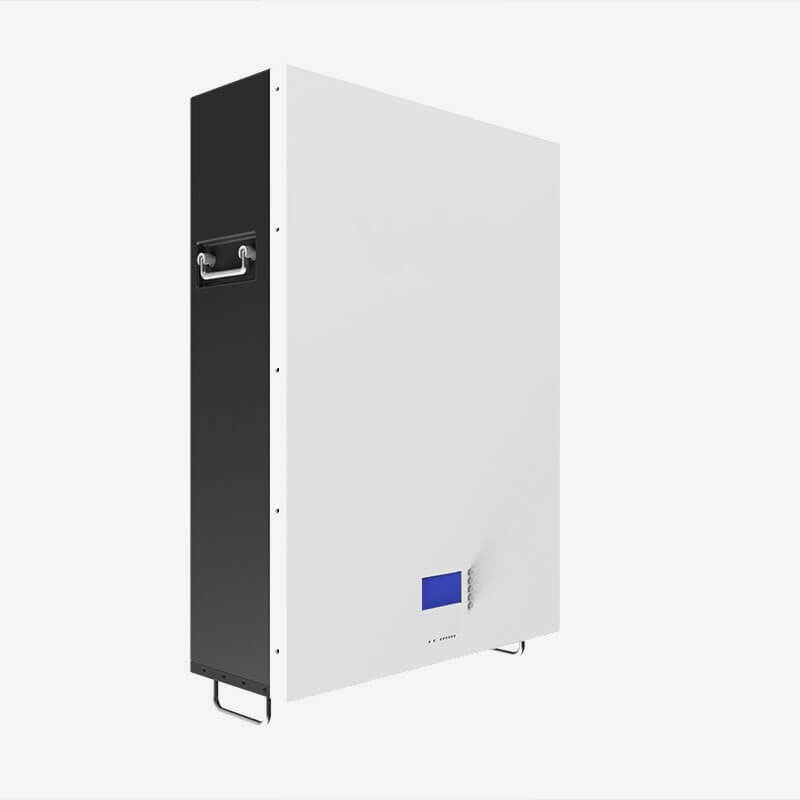
In addition, deep cycle LiFePO4 batteries have a notably longer lifespan compared to traditional deep cycle batteries. Thanks to the robust LiFePO4 chemistry, they can go through thousands of charge-discharge cycles before their capacity diminishes significantly. That means you get more energy, more cycles, and more reliability.
Another compelling advantage is the environmental friendliness of these batteries. Like all LiFePO4 batteries, they feature iron—a non-toxic and abundant element—making them a more eco-friendly option.
To put it simply, a deep cycle LiFePO4 battery marries the benefits of LiFePO4 and deep cycle technologies, resulting in a robust, durable, and reliable power source that can meet high energy demands over extended periods. As a bonus, it does all of this while being kind to the environment.
Section 4: Caring for Your Deep Cycle LiFePo4 Battery
Proper maintenance is crucial to optimize the performance and longevity of your deep cycle LiFePO4 battery. By implementing these simple practices, you can ensure your battery remains at peak performance for the long haul.
Appropriate Charging: While LiFePO4 batteries can handle a high rate of charge and discharge, it’s good practice to maintain a balanced charge cycle. Avoid consistently draining the battery to its lower limit before recharging. Keeping the state of charge between 20% and 80% can help prolong the battery life.
Temperature Control: Even though LiFePO4 batteries exhibit excellent thermal stability, they still perform best within certain temperature ranges. Whenever possible, store and use your battery in a temperature-controlled environment. Extreme heat or cold can affect battery performance and lifespan.
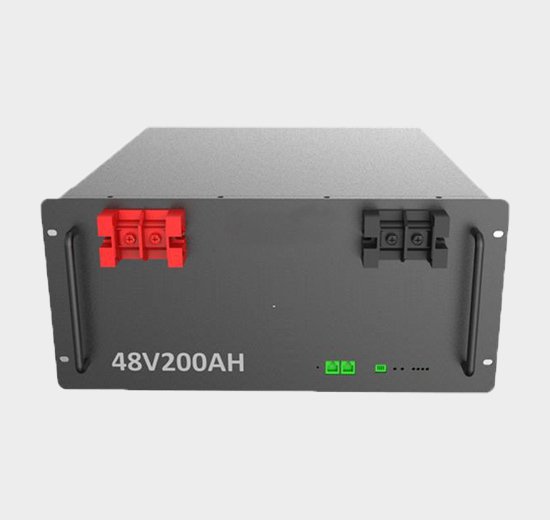
Regular Inspection: Routine checks are a must. Look for any physical deformities, such as swelling or leakage. Check the battery terminals for any corrosion or loose connections. If you spot anything unusual, consult with a battery professional for advice.
Proper Storage: If you’re not using the battery for an extended period, store it in a cool, dry place. It’s also advisable to partially charge the battery before storage—around 50% is generally recommended.
Safe Handling: Always handle your battery with care. Even though LiFePO4 batteries are known for their durability, they can still be damaged by physical impacts. Avoid dropping or striking the battery.
Section 5: Conclusion
In the grand scheme of energy storage, the advent of deep cycle LiFePO4 batteries is a groundbreaking stride. Picture this: The sturdy, stable properties of LiFePO4 batteries merging seamlessly with the enduring capabilities of deep cycle batteries. This blend forms an energy storage system that stands head and shoulders above its counterparts.
High energy density? Check. Remarkable thermal stability? Absolutely. Long life cycles? You bet. And the bonus: They can handle deep discharges without batting an eyelid. Their environment-friendly composition only serves to amplify their charm.
But, just as the world’s finest race car needs an adept driver behind the wheel, these batteries require mindful handling. Adhering to the right maintenance practices can fuel their performance and stoke their lifespan. Your reward? A trusty, sustained power supply that lasts longer.
So, what’s the final verdict? Deep cycle LiFePO4 batteries emerge as an eco-friendly, durable, and reliable solution, tailor-made for an array of applications. Whether you’re cruising in your electric vehicle or basking in the benefits of your solar energy storage system, these batteries have got you covered. As we journey further into the technological horizon, it’s clear that deep cycle LiFePO4 batteries have a significant role to play in energizing our future.