Brief Explanation of Deep Cycle Batteries
Deep cycle batteries are a specialized type of rechargeable battery designed to provide sustained power over extended periods. Unlike standard automotive batteries that deliver short bursts of energy, deep cycle batteries are built to handle continuous deep discharges and subsequent recharges. They are commonly used in applications such as renewable energy systems, marine vessels, recreational vehicles, and off-grid power solutions.
Deep cycle batteries are specifically engineered to deliver a consistent and steady flow of power over a longer duration. They are constructed with thicker plates and active materials that allow for repeated deep discharges without compromising their overall performance. This deep discharge capability makes them ideal for applications that require prolonged power supply, such as running appliances, electronic devices, and electrical systems in remote locations.
Importance of Understanding Key Factors When Buying and Maintaining a Deep Cycle Battery
When it comes to purchasing and maintaining a deep cycle battery, understanding key factors is essential for making informed decisions and optimizing its performance. Deep cycle batteries vary in terms of capacity, cycle life, maintenance requirements, compatibility, and warranty coverage. By familiarizing yourself with these factors, you can select the right battery for your specific needs and ensure its longevity.
Purchasing a deep cycle battery without considering these key factors may lead to suboptimal performance, reduced lifespan, or even compatibility issues with your intended application. Additionally, proper maintenance practices, including correct charging procedures and regular inspections, are crucial for maximizing the lifespan and efficiency of your deep cycle battery.
In this article, we will explore in detail the factors to consider when buying a deep cycle battery. We will discuss the battery’s capacity and amp-hour rating, cycle life, maintenance and charging requirements, compatibility with different applications, and the importance of warranty and customer support. By the end, you will have a comprehensive understanding of what to look for when purchasing and maintaining a deep cycle battery, empowering you to make informed decisions and get the most out of your investment.
Car battery
What to Look for When Buying a Deep Cycle Battery
When purchasing a deep cycle battery, it is important to consider several key factors to ensure you choose the right battery for your specific needs. Let’s explore the aspects you should look for when buying a deep cycle battery:
Battery Capacity and Amp-Hour Rating
Battery capacity refers to the total amount of energy a deep cycle battery can store. It is typically measured in amp-hours (Ah). Assessing your power requirements and selecting a battery with an adequate capacity is crucial. Consider the energy demands of your application and choose a battery that can provide sustained power without frequent recharging.
Cycle Life and Durability
Cycle life refers to the number of charge and discharge cycles a battery can undergo before its capacity significantly diminishes. A deep cycle battery with a longer cycle life will last longer and provide consistent performance over time. Additionally, durability is essential, especially for applications subjected to vibration, shock, or extreme conditions. Look for batteries with robust construction and features like vibration resistance to ensure longevity and reliability.
Maintenance and Charging Requirements
Different deep cycle batteries have varying maintenance and charging requirements. Some batteries may require periodic equalization charges or specific charging voltages. Consider your ability to meet these requirements and choose a battery that aligns with your maintenance capabilities. Additionally, batteries with low self-discharge rates and minimal maintenance needs are advantageous, especially for applications that sit idle for extended periods.
Compatibility with Your Application
Ensure that the deep cycle battery you choose is compatible with your intended application. Factors such as size, weight, and mounting options are important to consider. Additionally, some batteries are designed for specific applications like marine use or renewable energy systems. Understanding the compatibility of the battery with your application will help avoid compatibility issues and optimize performance.
Warranty and Customer Support
A reliable warranty and good customer support are crucial when investing in a deep cycle battery. Look for batteries that come with a solid warranty that covers manufacturing defects or premature failure. Additionally, consider the reputation and responsiveness of the battery manufacturer or supplier in providing customer support. A reputable company will assist you in case of any issues or concerns with the battery.
By considering these factors – battery capacity and amp-hour rating, cycle life and durability, maintenance and charging requirements, compatibility with your application, and warranty and customer support – you can make an informed decision when buying a deep cycle battery. Taking the time to select the right battery will ensure optimal performance, longevity, and overall satisfaction with your power storage solution.
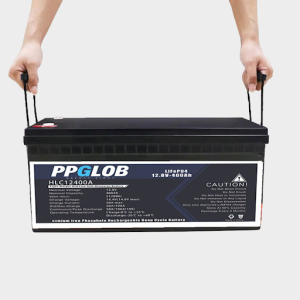
24V Lifepo4 battery 24100 PPGlob
Key Features of a Deep Cycle Battery
Deep cycle batteries possess specific features that set them apart from other battery types. Understanding these key features will help you choose the right deep cycle battery for your application. Let’s explore the important characteristics of deep cycle batteries:
Thick Plates and Deep Discharge Capability
Deep cycle batteries are equipped with thicker plates compared to standard batteries. These thicker plates enable the battery to handle deep discharges without sustaining damage or a significant loss in capacity. This deep discharge capability allows the battery to deliver a sustained power supply over a longer period, making it ideal for applications that require extended runtime.
Slow Discharge Rate and Long Runtime
Deep cycle batteries have a slow discharge rate, meaning they can provide power consistently over an extended duration. This characteristic is essential for applications that require a continuous and reliable power source, such as running electrical systems on boats or powering off-grid cabins. The slow discharge rate ensures a longer runtime, minimizing the need for frequent recharging.
Efficient Recharge and High Charge Acceptance
Deep cycle batteries are designed to efficiently recharge. They have a high charge acceptance, allowing them to accept charge currents effectively during the recharging process. This feature ensures that the battery can recharge efficiently and effectively replenish its energy storage, reducing charging time and maximizing overall productivity.
Robust Construction and Vibration Resistance
Deep cycle batteries are built with robust construction to withstand the rigors of various applications. They are designed to endure vibrations, shocks, and mechanical stress, making them suitable for use in demanding environments. The robust construction enhances the battery’s durability, ensuring it can withstand the challenges posed by marine vessels, off-road vehicles, and other demanding applications.
Low Self-Discharge and Extended Shelf Life
Deep cycle batteries typically have a low self-discharge rate, meaning they retain their charge over longer periods of inactivity. This feature is advantageous for applications that are used infrequently or stored for extended periods. The low self-discharge rate ensures that the battery retains its energy, providing reliable power even after prolonged storage.
Furthermore, deep cycle batteries often have an extended shelf life, allowing them to maintain their performance and capacity over a long period. This feature ensures that the battery remains functional and dependable, even if it is not used frequently.
Understanding these key features of deep cycle batteries – thick plates and deep discharge capability, slow discharge rate and long runtime, efficient recharge and high charge acceptance, robust construction and vibration resistance, and low self-discharge and extended shelf life – will assist you in selecting the right battery that aligns with your specific application requirements.

Should You Keep a Deep Cycle Battery Fully Charged?
Properly managing the charge level of a deep cycle battery is crucial for its performance and longevity. Let’s explore the factors related to maintaining optimal charge levels and the effects of overcharging and undercharging a deep cycle battery.
Importance of Maintaining Optimal Charge Levels
Keeping a deep cycle battery at optimal charge levels is essential to maximize its lifespan and ensure reliable performance. Optimal charge levels typically fall within the recommended range specified by the battery manufacturer. By maintaining the battery within this range, you can avoid potential issues such as reduced capacity, sulfation, and premature aging.
Effects of Overcharging and Undercharging
Overcharging a deep cycle battery can have detrimental effects. Exposing the battery to a continuous charge after it has reached its full capacity can lead to electrolyte loss, accelerated water consumption, and potential damage to the battery’s internal components. Overcharging also promotes the formation of harmful gases and can contribute to the corrosion of terminals.
On the other hand, undercharging a deep cycle battery can result in sulfation, a process where sulfate crystals build up on the battery plates. Sulfation reduces the battery’s capacity, inhibits its ability to accept a full charge, and can ultimately lead to decreased performance and a shortened lifespan. Undercharging can occur when the battery is not sufficiently recharged after discharging, or when it is left in a partially discharged state for an extended period.
Proper Charging Techniques and Monitoring
To maintain a deep cycle battery’s optimal charge levels, it is important to employ proper charging techniques and monitor the charging process. This includes using a charger specifically designed for deep cycle batteries and following the manufacturer’s recommendations for charging voltage and current.
Periodically checking the battery’s charge level and monitoring its state of charge is also important. This can be done using battery monitoring devices or voltage meters. Regular monitoring allows you to ensure that the battery is being charged appropriately and identify any potential issues early on.
Additionally, practicing smart charging habits such as avoiding overcharging, implementing proper charge termination methods, and employing techniques like equalization charging when necessary can help maintain the battery’s health and performance.
By understanding the importance of maintaining optimal charge levels, being aware of the effects of overcharging and undercharging, and implementing proper charging techniques and monitoring, you can extend the lifespan and optimize the performance of your deep cycle battery.
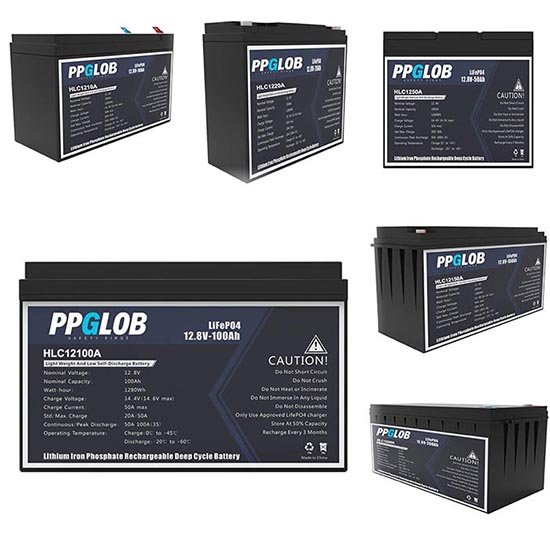
What Not to Do with a Deep Cycle Battery
Proper care and handling of a deep cycle battery are vital for its longevity and optimal performance. Let’s explore some key practices to avoid when dealing with deep cycle batteries:
Avoid Deep Discharging Below Recommended Levels
Deep cycle batteries should not be discharged below the manufacturer’s recommended depth of discharge (DoD). Continuously discharging the battery beyond this threshold can lead to irreversible damage and a significant reduction in battery life. It is essential to monitor the state of charge and avoid depleting the battery beyond the recommended limit to preserve its overall health.
Prevent Overdischarging and Overloading
Overdischarging a deep cycle battery can result in permanent damage and a decrease in its capacity. Avoid prolonged use of the battery without recharging and make sure to recharge it before it reaches critical discharge levels. Similarly, overloading the battery by drawing more current than it can safely provide may lead to overheating, voltage drops, and potential damage to the battery cells. Ensure that the load applied to the battery remains within its rated capacity to avoid overloading.
Minimize Exposure to Extreme Temperatures
Deep cycle batteries should be protected from extreme temperatures. High temperatures can accelerate internal chemical reactions and cause excessive water loss, leading to reduced battery life and capacity. Similarly, extremely low temperatures can decrease the battery’s ability to deliver power effectively. It is advisable to store and operate the battery within the manufacturer’s specified temperature range to preserve its performance and extend its lifespan.
Do Not Mix Battery Types or Brands
Avoid mixing different types or brands of deep cycle batteries within the same system. Different batteries have different characteristics, including voltage, capacity, and internal resistance. Mixing batteries can result in imbalanced charging and discharging, leading to uneven performance, reduced efficiency, and potential damage to the batteries themselves. It is best to use batteries of the same type and brand within a system to maintain compatibility and optimize overall performance.
Avoid Improper Storage and Handling Practices
Improper storage and handling practices can negatively impact the performance and lifespan of deep cycle batteries. Avoid storing batteries in environments with excessive humidity, direct sunlight, or extreme temperature fluctuations. It is important to keep the battery clean, ensuring that the terminals are free from corrosion. When handling the battery, exercise caution to prevent physical damage, such as dropping or subjecting it to excessive vibrations.
By adhering to these practices and avoiding deep discharging below recommended levels, overdischarging, overloading, exposure to extreme temperatures, mixing battery types or brands, and improper storage and handling practices, you can ensure the longevity and optimal performance of your deep cycle battery. Following proper guidelines and care will allow you to make the most of your investment and maintain reliable power storage.

Conclusion
Recap of Key Points Discussed in the Article
In this article, we explored the essential aspects of deep cycle batteries, covering what to look for when buying them and how to maintain them effectively. We discussed the importance of considering factors such as battery capacity, cycle life, maintenance requirements, compatibility, and warranty coverage when purchasing a deep cycle battery. We also examined the key features that distinguish deep cycle batteries, including thick plates, deep discharge capability, slow discharge rate, efficient recharge, robust construction, and low self-discharge.
Furthermore, we emphasized the significance of maintaining optimal charge levels for deep cycle batteries to ensure their longevity and reliable performance. Avoiding practices like deep discharging below recommended levels, overdischarging, overloading, exposure to extreme temperatures, mixing battery types or brands, and improper storage and handling were highlighted as important to prevent damage and maximize battery lifespan.
Importance of Choosing and Maintaining a Deep Cycle Battery Wisely
Choosing the right deep cycle battery and maintaining it properly are crucial for obtaining the best performance and longevity. A well-chosen battery that aligns with your specific application requirements will provide reliable power over extended periods and withstand the demands of your intended use. Additionally, following proper charging, usage, and maintenance practices will optimize the battery’s performance, prevent damage, and extend its lifespan.
Encouragement to Consult Experts and Refer to Manufacturer Guidelines
To ensure that you make informed decisions and follow the best practices, we encourage you to consult with battery experts and refer to the guidelines provided by the battery manufacturer. Expert advice can help you select the most suitable deep cycle battery for your needs and guide you in implementing the appropriate maintenance procedures. Manufacturer guidelines offer valuable information on charging techniques, recommended charge levels, and other specific requirements that will help you get the most out of your deep cycle battery.
By taking these steps, you can maximize the efficiency and lifespan of your deep cycle battery, ensuring that it serves you well and provides the power you need for your desired applications.
Remember, deep cycle batteries are an investment, and wise choices in purchasing and maintaining them will yield long-term benefits in terms of reliable power supply and optimal performance.