The right way to charge a lithium battery pack involves the following key steps. Use a charger specifically designed for lithium batteries, charge in a cool area, avoid extreme temperatures, disconnect once fully charged, charge at a slower rate if possible, and stay within the recommended voltage range.
Using a charger designed for lithium batteries ensures compatibility and safe charging. These chargers are optimized for the specific charging requirements of lithium batteries, preventing overcharging or undercharging.
Charging the battery in a cool area is important to prevent overheating. Excessive heat can degrade the battery’s performance and shorten its lifespan. Choose a well-ventilated location or use cooling mechanisms to maintain a suitable temperature during charging.
Extreme temperatures, both high and low, should be avoided during the charging process. Extreme heat can accelerate battery degradation, while extreme cold can affect the battery’s capacity and overall performance. Charging within the recommended temperature range ensures optimal charging efficiency and battery health.
Once the battery reaches full charge, it’s crucial to disconnect it from the charger. Overcharging can lead to increased stress on the battery and reduce its lifespan. Monitoring the charging process and disconnecting the battery once it reaches 100% capacity helps maintain its longevity and prevent potential safety risks.
If possible, charging the battery at a slower rate can be beneficial. Slow charging reduces heat generation and stress on the battery, promoting better overall performance and longevity. However, it’s important to note that some lithium battery packs are designed to support fast charging. In such cases, following the manufacturer’s recommended charging speed ensures safe and efficient charging without compromising the battery’s performance.
Lastly, charging the battery within the recommended voltage range is crucial. Lithium batteries have specific voltage requirements for charging. Charging outside this range can affect the battery’s capacity, performance, and safety. Adhering to the manufacturer’s recommended voltage range ensures proper charging and maintains the battery’s overall health.
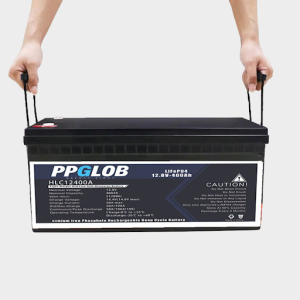
By following these best practices for charging a lithium battery pack, you can optimize its performance, extend its lifespan, and ensure safe and efficient operation. Always refer to the specific instructions and recommendations provided by the manufacturer such as PPGlob lithium battery pack to ensure the best charging experience.
You may also ask the following questions, and below are our straight-point answers.
1.1 How do you charge a 12V lithium battery pack?
To charge a 12V lithium battery pack, use a compatible charger specifically designed for 12V lithium batteries. Follow the manufacturer’s instructions for proper connection and charging process. Monitoring the charging process is important to ensure safe and efficient charging.
1.2 What voltage should a lithium battery be charged at?
Lithium batteries should be charged within the voltage range specified by the manufacturer. Most lithium battery packs require charging between 3.6V and 4.2V per cell. Charging within this range ensures safe and effective charging without overcharging or undercharging.