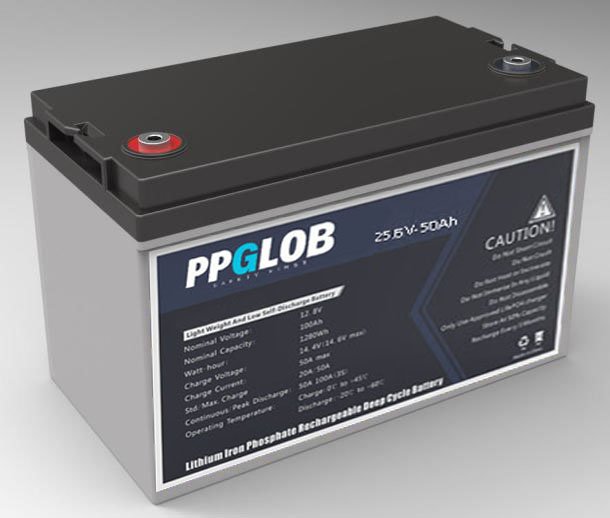
lifepo4 battery manufacturers
24V 100Ah LiFePo4 Battery
High-capacity 24V 100Ah LiFePo4 battery for reliable and long-lasting energy storage solutions
24V 100Ah Deep Cycle Battery
- Rated Voltage(V): 25.6V
- Rated Capacity(Ah): 100
- Rated power(Wh): 2560
- Max charge voltage(V): 29.2
- Max charge current: 100A
- Max contine current: 100A
- Peak discharge current(≦10S): 200A
- Specs(±2mm): 692*567*462mm
Automotive-Grade LiFePO4 Cells ensure the exceptional quality of PPGlob 24V 100Ah Lithium Iron Phosphate (LiFePO4) batteries. Assembled with UL-certified Automotive-Grade LiFePO4 Cells, these batteries offer higher energy density, consistent performance, increased power, and an impressive 3% self-discharge rate.
With a 100% Depth of Discharge (DOD) and a 3-year lifespan, PPGlob LiFePO4 batteries deliver 2000 to 3000 cycles, surpassing Lead Acid batteries by more than 10-fold (200 to 500 cycles). LiTime LiFePO4 batteries achieve 100% State of Charge (SOC) and DOD, boasting a 10-year service life—three times longer than Lead Acid batteries.
Offering 2.56kWh of higher energy, a single PPGlob 24V 100Ah lithium battery is equivalent to two 12V 100Ah lithium batteries. With a 24V higher voltage and 2.56kWh energy capacity, these batteries support up to 4P2S connection, enabling the creation of a 48V 400Ah battery bank with 20.48kWh energy. This facilitates the construction of battery systems with simpler operation and is ideal for backup power solutions.
Featuring strict protection measures and rapid charging capabilities, PPGlob LiFePO4 batteries come equipped with a built-in 100A Battery Management System (BMS) to safeguard against overcharge, over-discharge, over-current, high temperatures, and short circuits. Operating temperatures range from 0°C to 50°C for charging and from -20°C to 60°C for discharging. Additionally, a dedicated 29.2V 20A lithium charger is recommended, offering a speedy charging time of just 5 hours for a fully charged lithium battery.
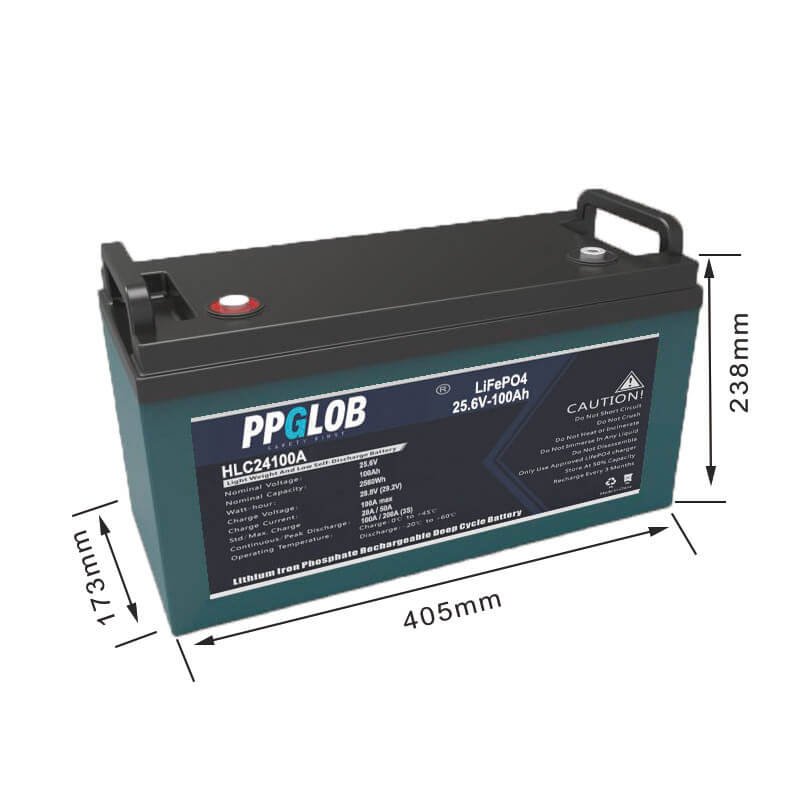
| Nominal Voltage: | 25.6V | Nominal Capacity: | 100Ah |
|---|---|---|---|
| Nominal Energy: | 2560Wh | Max Charging Voltage: | 14.6V |
| Max Charging Current: | 100A | Float Charging Voltage: | 27.2~27.6V |
| Continue Discharge Current: | 100A max | Peak Discharge Current: | 200A |
| Max Load Power: | 2000W | Discharge Cut-off Voltage: | 21.6V |
| Charge Temperature: | 0~+50℃ | Discharge Temperature: | -20~+60℃ |
| Work Humidity: | <95%R.H | Lifespan(25℃, 0.5C, 100% DOD) | >2000 |
| Battery Cell Combination: | 23140160-8S2P | Terminal: | F12(M8) |
| Waterproof Class: | IP65 | Size: | 405*173*208(238)mm |
| Weight: | 21Kg | Certification: | UN38.3/MSDS |
Application for 24V 100Ah Lifepo4 Battery
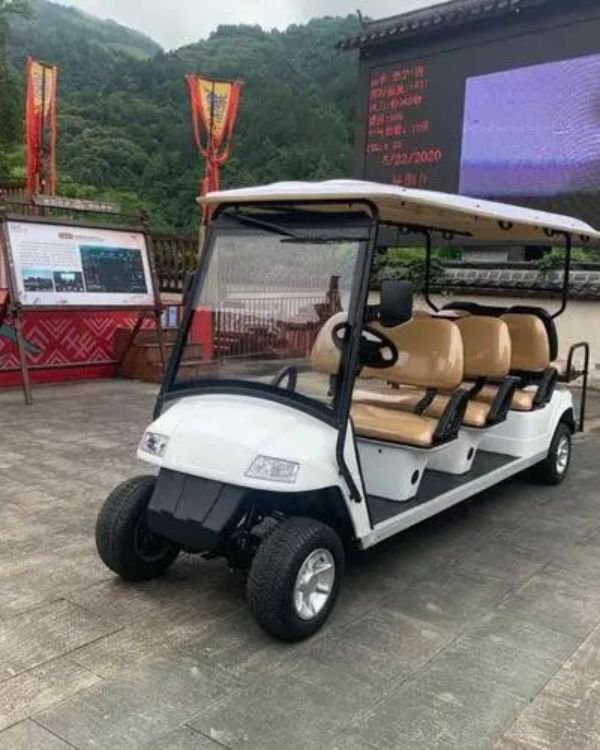
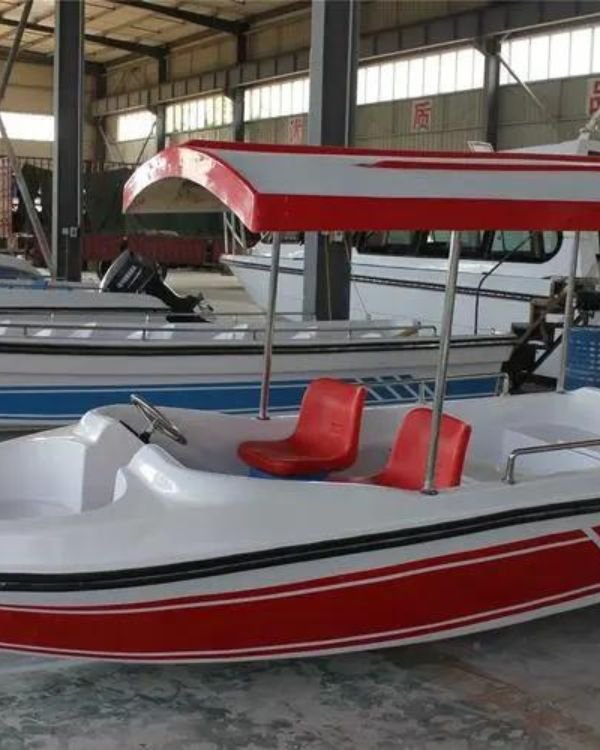
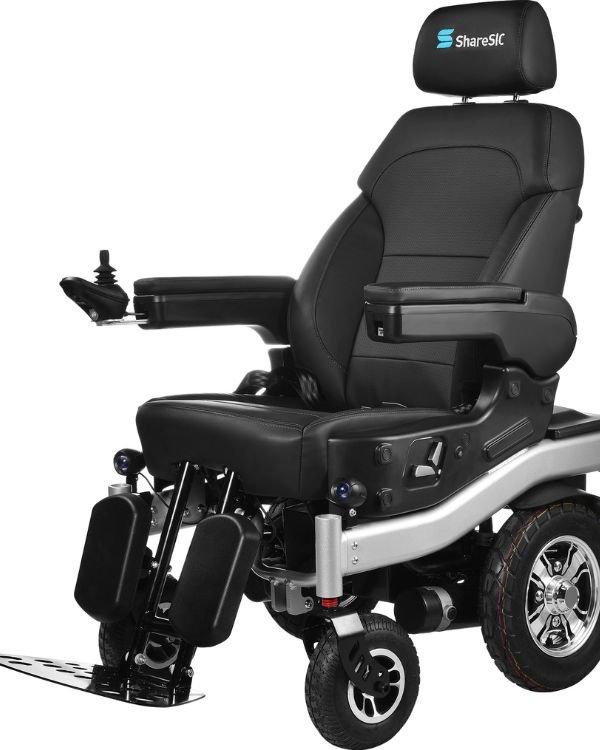
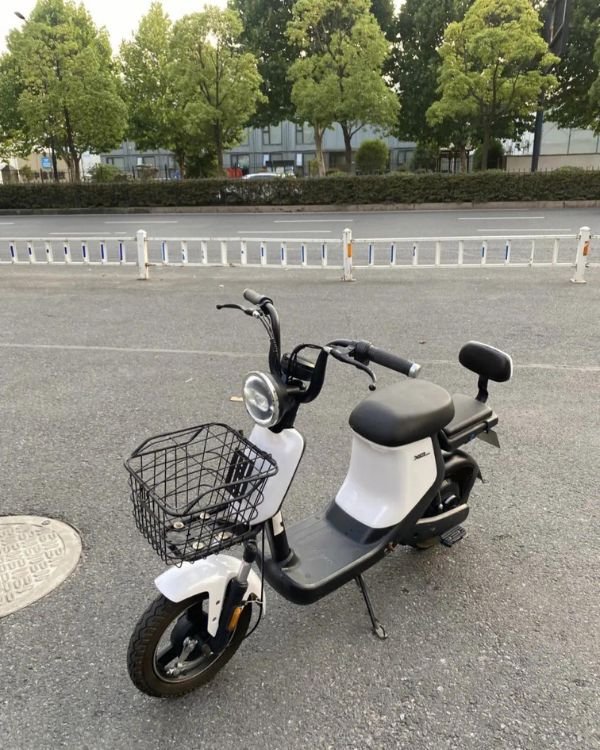
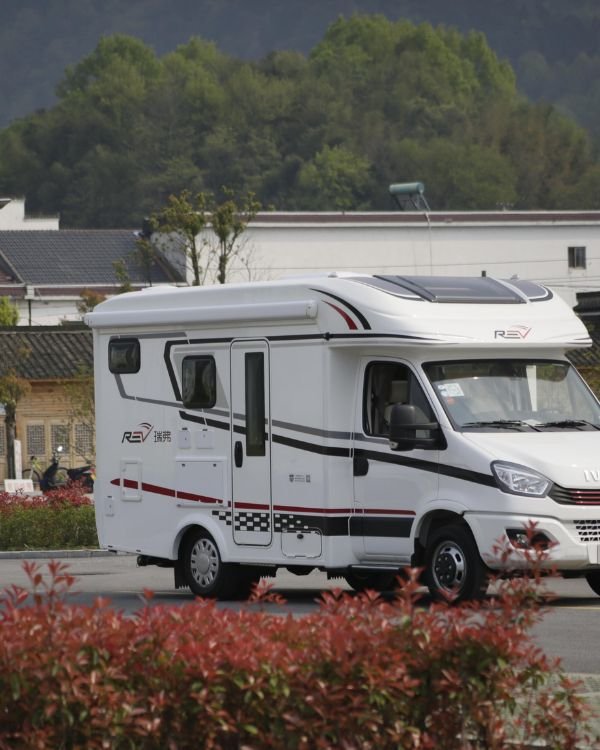
The 24V 100Ah lifepo4 deep cycle battery is versatile, ideal for solar systems, RVs, boats, backup power, and off-grid applications.
FAQ
Frequently Ask Questions
The mostly asked questions about 25.2v deep cycle battery. They are mostly working for lead acid replacement.
Absolutely. PPGlob 24V Core Series Batteries can be linked in series to elevate the voltage for a 48V off-grid power setup. For maximum power, you can also wire sets of batteries (requiring the same models) in series first, then in parallel, achieving a combined capacity of up to 40.96kWh.
It's not advisable to interconnect batteries of differing chemistries, capacities, nominal voltages, brands, or models in either parallel or series. Doing so could potentially damage the batteries and connected devices, and may pose safety hazards.
We recommend periodically connecting your four batteries in parallel to rebalance their voltages every six months. This practice helps minimize voltage differentials and optimizes overall battery performance.
Each 24V 100Ah Core LiFePO4 Battery necessitates a charging current exceeding 10A to initiate and sustain heating. Ensure that the charging current provided by the charger for each battery exceeds 10A to address this issue effectively.
Get a Quote
Get 24V 100Ah Deep Cycle Battery
It is powerful and long last time compared with lead acid. Before getting them, please try to answer following questions:
- Purpose/Application: Determine what you'll be using the battery for. Different applications may require specific features or specifications.
- Brand Reputation: Research reviews and feedback on the brand. A well-regarded brand usually provides quality assurance and better post-sales support.
- Battery Life Cycles: Check the number of charge and discharge cycles the battery can endure before its capacity reduces significantly.
- Build Quality: Ensure that the battery has a sturdy construction, especially if it will be used in demanding conditions.
- Safety Features: Look for safety features like overcharge protection, temperature protection, and short circuit protection.