
lithium iron phosphate battery suppliers
12V Deep Cycle Battery
12V Lithium Deep Cycle Battery
- Lithium battery type: LiFePo4 Cell
- Rated voltage: 12.8V
- Nominal capacity: 10Ah, 20Ah, 50Ah, 100Ah, 200Ah
- Energy: 128Wh, 256Wh, 640Wh, 1280Wh, 2560Wh
- Charge current: 1.0C rate
- Discharge current: 2.0C rate
- PCM: for short-circtui, over-charge, over-discharge
- Size: depends on model selected.
- Weight: customized
12v Deep Cycle Marine Battery
A 12v Deep Cycle Marine Battery is a specialized type of battery designed primarily for marine applications. Here’s a detailed description:
Voltage: As the name suggests, it operates at 12 volts, making it compatible with a wide range of marine equipment and accessories.
Deep Cycle Design: Unlike regular starter batteries that deliver short, high-current bursts for cranking the engine, deep cycle batteries are designed to be discharged and recharged repeatedly without damaging the battery or reducing its lifespan. This makes them ideal for powering trolling motors, electronics, and other onboard accessories over extended periods.
Marine Application: These batteries are built to withstand the challenging marine environment. They are often resistant to high levels of moisture, salt, and vibrations, ensuring longevity and reliable performance.
Durable Construction: Typically, marine deep cycle batteries are constructed with thicker plates and denser active material, allowing them to endure deep discharges and prolonged usage.
Maintenance: Depending on the type (flooded, AGM, or gel), some may require periodic maintenance like topping up with distilled water, while others are maintenance-free.
Versatility: While primarily used for marine purposes, these batteries can also be used in other applications like RVs, solar setups, and backup power systems due to their deep cycling capabilities.
Safety Features: Many come with built-in safety features like spill-proof designs, valve-regulated seals, and protection against overcharging, ensuring safe usage in confined marine spaces.
Small 12V Deep Cycle Battery
Below listing is 12v deep cycle batteries with diffrent capacity. They feature with multi size and specifications. Of course, they are working for different application. Like RV, solar, golf cart, and trolling motor. Reach us for more details.
12.8V 6Ah Lithium Battery
12.8V 7Ah LiFePo4 Battery
12.8V 8Ah Lithium Battery
12V 10Ah LiFePo4 Battery
12V 12Ah Lithium Battery
12V 18Ah LiFePo4 Battery
12V 20Ah Deep Cycle Battery
12V 24Ah LiFePO4 Battery Pack
12V 30Ah Lithium Battery
12V 35Ah Lithium Battery
12V 36Ah LiFePo4 Battery
12V 50Ah LiFePo4 Battery
12V 60Ah Lithium Battery
12V 80Ah Lithium Battery
12V 100Ah LiFePo4 Battery
12V 150Ah LiFePo4 Battery
12V 200Ah LiFePo4 Battery
12V 230Ah Lithium Battery
12V 300Ah Lithium Battery
12V 400Ah Lithium Battery
3 Year Warranty
Purchase with assurance thanks to our competitive and straightforward 3-year warranty.
Great A Cell ONLY
Ionic employs top-tier cells, ensuring prolonged battery life and superior performance.
Advanced BMS
Ionic batteries guarantee full compatibility and safety with Yamaha and Mercury motors.
Bluetooth Monitoring
Keep track of your charge status anytime through our intuitive Ionic mobile app.
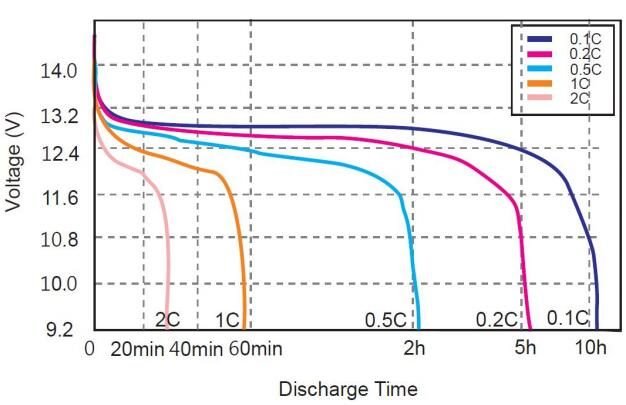
12v deep cycle battery testing performance
12v deep cycle battery voltage chart
Different rate discharge curve
Different temperature discharge curve

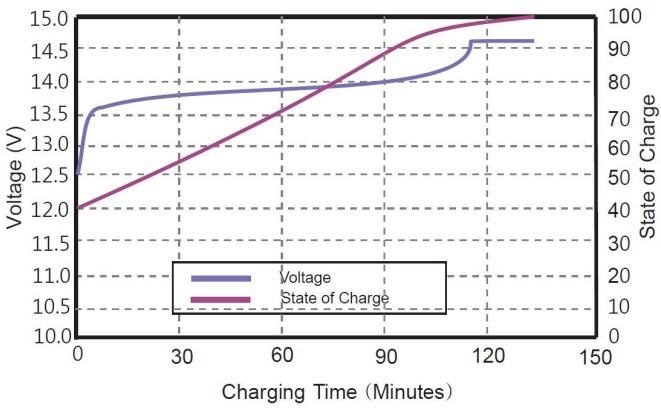
State of charge curve
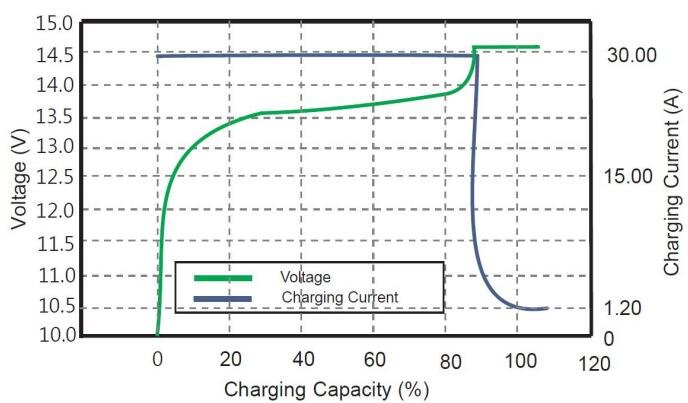
Charging characters @0.5C 25℃
Different DOD discharge cycle curve

Different temperature self discharge curve

FAQ
Frequently Ask Questions
The mostly asked questions about 24v deep cycle battery. They are mostly working for lead acid replacement.
In terms of runtime, a single full charge on a 12v deep cycle battery can last anywhere from a few hours to several days, depending on the load or power draw of the devices it's powering. For example, a battery powering a small trolling motor might last 6-8 hours, while the same battery powering LED lights might last several days.
The amp-hour (Ah) capacity of a 12v deep cycle battery can vary based on its size and design. Here's a general breakdown:
Small Batteries: Often used in portable applications or for backup power in small devices. Their capacity typically ranges from 20Ah to 50Ah.
Medium Batteries: Common in recreational vehicles (RVs), boats, and small solar installations. Their capacity usually falls between 50Ah to 150Ah.
Large Batteries: Used in larger solar installations, marine applications, or where more extended backup power is needed. Their capacity can range from 150Ah to 300Ah or even more.
Golf Cart Batteries: These are a popular type of deep cycle battery used in off-grid applications. They typically have capacities around 180Ah to 220Ah.
Industrial or Specialized Batteries: Some batteries are designed for specific heavy-duty applications and can have capacities exceeding 300Ah.
A 12v deep cycle battery's voltage can vary depending on its state of charge. Here's a general guideline for understanding the voltage readings of a 12v deep cycle battery:
Fully Charged: When fully charged and at rest (not under load or being charged), a 12v deep cycle battery should read around 12.6 to 12.8 volts.
Nominal Voltage: The "12v" label is a nominal, or average, voltage. In actual use, the voltage can be higher or lower based on the battery's state of charge.
Under Load: When the battery is under load (i.e., powering devices), the voltage can drop, but it should remain above 11.6 volts for most of the discharge cycle.
50% Discharged: At about 50% state of charge, a typical 12v battery will read around 12.2 volts.
Charging a 12v deep cycle battery properly is crucial for its longevity and performance. Here's a step-by-step guide on how to charge a 12v deep cycle battery:
Safety First:
Wear protective gloves and safety glasses.
Ensure the charging area is well-ventilated, as batteries can release hydrogen gas, which is flammable.
Disconnect any loads from the battery.
Choose the Right Charger:
Use a charger specifically designed for deep cycle batteries. These chargers often have multiple charging stages to ensure the battery is charged efficiently and safely.
Ensure the charger's voltage matches the battery's voltage (12v in this case).
Connect the Charger:
Connect the charger's positive (red) clamp to the battery's positive terminal.
Connect the charger's negative (black) clamp to the battery's negative terminal.
Set the Charging Mode:
If your charger has multiple modes or settings, select the one appropriate for deep cycle batteries.
Some chargers have settings for different types of deep cycle batteries (e.g., AGM, Gel, Flooded). Choose the one that matches your battery.
Yes, many deep cycle marine batteries are 12v lead-acid batteries. Ensure lead-Acid types before replaced: lead-acid batteries, AGM batteries, and Gel batteries.
Capacity: While many 12v deep cycle marine batteries have capacities ranging from 50Ah to 200Ah, the actual capacity can vary based on the battery's size and design.
- Safety First:
- Fully Charge the Battery:
- Before load testing, ensure the battery is fully charged.
- Connect the Load Tester:
- Apply the Load:
- Monitor the Voltage:
- Check the Battery's Temperature:
- Review the Results:
- Recharge the Battery:
- After the load test, recharge the battery to ensure it's ready for use.
Yes, a 12v deep cycle battery can be used in an open van, but its application will depend on the specific needs and setup of the van. Here are some potential uses and considerations:
Auxiliary Power: If the van is used for camping, traveling, or as a work vehicle, a deep cycle battery can provide auxiliary power for lights, fans, refrigeration, charging devices, and other electrical equipment without draining the van's starting battery.
Dual Battery System: Many van enthusiasts and travelers install a dual battery system, where the vehicle's primary starting battery is separate from an auxiliary deep cycle battery. This ensures that using appliances or devices in the van won't deplete the starting battery.
Solar Integration: deep-cycle batteries can be integrated with solar panels mounted on the van. This setup allows for renewable energy charging, especially useful for extended trips or off-grid living.
Safety and Installation: Ensure to follow manufacturer guidelines.
Charging: Ensure the deep cycle battery is regularly charged, either through the van's alternator, solar panels, or an external charger, to prolong its lifespan.
Size and Capacity: Choose a battery size and capacity that fits the van's space and meets the power needs.
Yes, you can add a 12v deep cycle battery to a 24v system, but it requires adding another 12v battery to achieve the desired 24v. Here's how you can do it:
Series Connection: To achieve a 24v system using two 12v batteries, you'll need to connect them in series:
Connect the positive terminal of the first 12v battery to the negative terminal of the second 12v battery.
The remaining free positive terminal on the second battery will be the 24v positive output, and the free negative terminal on the first battery will be the 24v negative output.
Matching Batteries: It's essential to use two 12v batteries of the same type, capacity (Ah), and state of charge. Mixing different types or ages of batteries can lead to imbalances, reducing efficiency and potentially shortening the lifespan of the batteries.
Gallery
Photos of the assembly line
Get a Quote
Send an inquiry now
Get PPGlob powerful and durable of 12V LiFePO4 deep cycle batteries today! Send us an inquiry to learn more and revolutionize your energy storage solutions.
- Long cycle lifespan 100% DOD.
- Series and parallel combination.
- Low discharge rate per month.
- Ideal for home energy storage, street light, RV, electric wheelchair, boat, telecom.